

How to Prevent and Improve PCB Flatness Issues ?
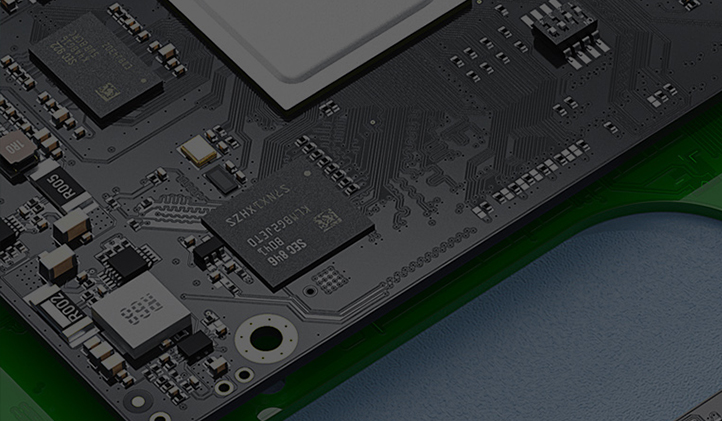
In PCB manufacturing and assembly, the flatness of the PCB is a critical factor that affects soldering quality, assembly accuracy, and overall product reliability. To effectively reduce warpage and deformation, comprehensive control is required across material selection, structural design, manufacturing processes, and storage and transportation.
First, choosing the right PCB base material is the foundation for controlling flatness. Different materials respond differently to temperature, humidity, and mechanical stress. Selecting materials with a lower coefficient of thermal expansion and higher bending strength can significantly reduce warpage caused by thermal stress in high-temperature environments. In addition, the material thickness should match the weight of the components and structural requirements to prevent bending caused by uneven mechanical loads.
Secondly, proper PCB design has a decisive impact on PCB flatness. Uniform routing and copper balancing help minimize deformation caused by uneven heat distribution. If the number and placement of vias are not designed appropriately, the local mechanical strength of the board may be weakened, making it more prone to stress imbalance and warping during thermal cycles.
For multilayer boards, uniform lamination thickness and strong interlayer bonding are crucial; otherwise, pressure and heat may cause delamination or localized warpage. In addition, when designing panelization, the structural strength of the panel must be controlled. If the connecting tabs are too small or the cutout areas are too large, the entire panel may deform during reflow or wave soldering.
Third, process control during PCB manufacturing is equally important. Baking, lamination, and cooling must maintain uniform heating and stable support. If the boards are improperly stacked or placed unevenly during high-temperature processes, they may develop permanent deformation due to gravity or uneven mechanical stress. Proper flat stacking is also crucial during packaging to avoid pressure-induced warpage.
Additionally, soldering process control has a significant impact on flatness. Incorrect temperature settings during wave soldering or reflow soldering can cause localized overheating, resulting in instantaneous warpage. Furthermore, PCBs that remain hot after soldering may deform under the weight of components if not placed correctly. Therefore, boards should be laid flat and allowed to cool naturally after exiting the reflow oven.
Finally, flatness control should not be overlooked during transportation and storage. Vacuum or protective packaging should be used to prevent moisture absorption, which can cause board swelling. Maintaining appropriate temperature and humidity levels is essential, and PCBs must be stored flat to avoid bending caused by prolonged tilted stacking.