

Lead HASL Finish: From Dominance to Decline in PCB Manufacturing
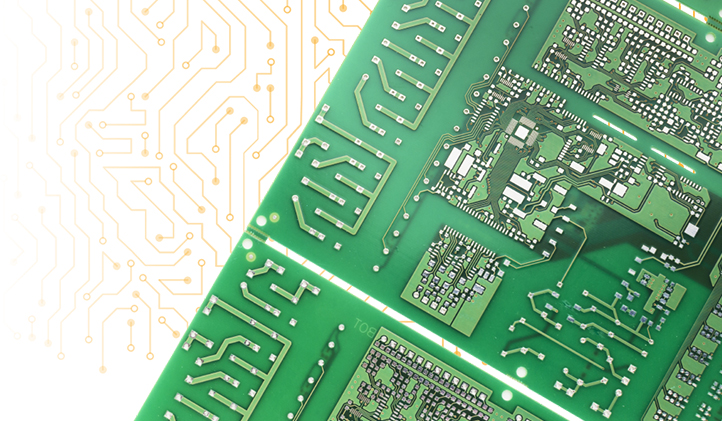
Lead HASL finish was once the most widely used surface finishing process in PCB manufacturing and played a foundational role in the early development of the electronics industry. With its mature process, low cost, strong solder joint reliability, and excellent solderability, it was extensively adopted in the production of various electronic products. However, with technological advancements and the enforcement of strict environmental regulations, this process has gradually faded from mainstream use in consumer electronics.
From an environmental perspective, lead is a heavy metal that poses potential risks to both human health and the environment. During production and soldering, lead fumes and dust can be generated, and prolonged exposure may lead to health issues. In 2003, the European Union introduced the RoHS Directive (Restriction of Hazardous Substances), which limits the lead content in electronic and electrical products to no more than 0.1%. This regulation directly accelerated the global transition toward lead-free manufacturing and significantly reduced the use of lead HASL finish in consumer electronics.
From a technical standpoint, although lead HASL finish offers excellent soldering performance, its surface flatness is relatively poor, making it unsuitable for modern high-density surface-mount technology (SMT) and fine-pitch component assembly. As electronic components become smaller and circuit layouts denser, PCB pads require higher surface smoothness and consistency. The uneven tin surface produced by lead HASL finish can increase the risk of solder bridging, misalignment, and poor solder joints.
In addition, lead HASL finish may experience slight oxidation or surface dullness during storage. While it is generally more stable than early lead-free coatings, its oxidation resistance remains inferior compared to newer surface finishes such as ENIG (Electroless Nickel Immersion Gold), immersion silver, or OSP (Organic Solderability Preservative). These modern finishing technologies are not only environmentally friendly and non-toxic but also provide longer shelf life and more stable soldering performance—key reasons why they have gradually replaced lead HASL finish.
It is worth noting that lead HASL finish has not completely disappeared. It still finds application in specific sectors such as military, medical, industrial control, and repair industries, where extremely high reliability is required and RoHS restrictions do not apply.
Overall, the decline of lead HASL finish is an inevitable outcome driven by environmental regulations and advances in manufacturing technology. Although it once laid the foundation for the growth of the electronics manufacturing industry, the rise of greener and more reliable surface finishing technologies has become the new mainstream. This transition marks a significant step forward for the PCB industry toward higher quality and more sustainable development.