

What Is Lead-Free HASL?
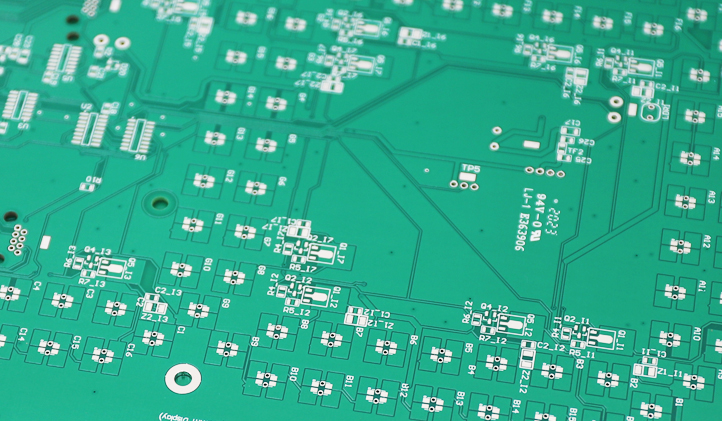
Lead-free HASL (Hot Air Solder Leveling) is a common surface finish process used in PCB manufacturing. It serves as an environmentally friendly alternative to traditional leaded HASL. The primary purpose of this process is to coat the copper pads on the PCB with a uniform layer of lead-free solder, preventing copper oxidation and ensuring excellent solderability during subsequent assembly and welding processes.
The emergence of lead-free HASL originated from the global trend toward “green manufacturing” in the electronics industry. In the past, leaded HASL (Sn63/Pb37) was widely used due to its excellent soldering performance and low cost. However, lead is a toxic heavy metal that poses potential risks to human health and the environment. With the official implementation of the EU RoHS Directive (Restriction of Hazardous Substances) in 2003, which limits the lead content in electronic products to no more than 0.1%, the traditional leaded HASL process began to be phased out. To comply with environmental regulations while maintaining reliable soldering performance, the lead-free HASL process was developed and rapidly adopted.
Lead-free HASL typically uses Sn-Cu (tin-copper) or SAC305 (Sn96.5Ag3.0Cu0.5) alloys as its main materials. During the process, the PCB is immersed in molten lead-free solder, and excess solder is removed using a hot air knife to form a smooth and even solder coating on the pads. This finish not only effectively prevents oxidation but also provides a reliable soldering surface during PCB assembly.
Today, lead-free HASL is widely used in consumer electronics, communication devices, automotive electronics, industrial control systems, and export-oriented products. It meets RoHS, REACH, and other environmental compliance standards while offering high reliability and cost efficiency. As a result, lead-free HASL has become a mainstream PCB surface finish that balances environmental protection and manufacturing performance.