

What does PCB TG mean?
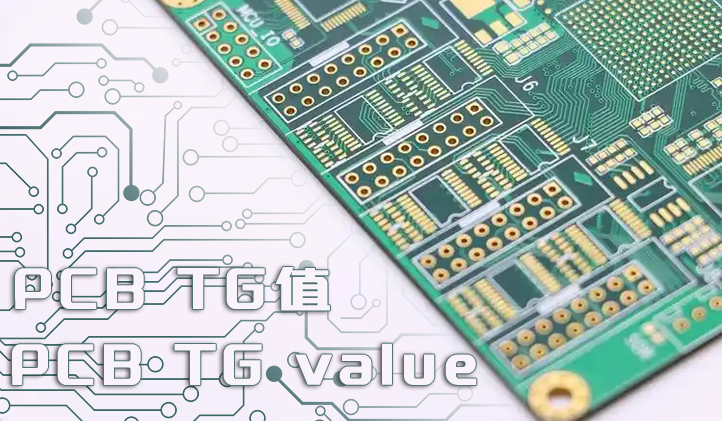
In PCB manufacturing, the performance of the substrate directly affects the stability and reliability of the circuit board, and one of the most important parameters is the TG value. TG stands for Glass Transition Temperature. Many people assume that it simply represents the board’s heat resistance, but that’s not entirely accurate. Strictly speaking, the TG value refers to the critical temperature at which the PCB substrate changes from a rigid “glassy” state to a flexible “rubbery” state when heated. In other words, the TG value reflects a material’s ability to maintain structural stability and reliable performance under high temperatures: when the temperature is below the TG value, the board remains as hard and stable as glass; when the temperature approaches or exceeds the TG value, the substrate gradually softens and may bend or even become damaged.
Depending on application requirements, PCB substrates are available with different TG ratings. The most common classifications are TG130, TG150, and TG170/180. For general consumer electronics, substrates with a TG of around 130 are usually sufficient to meet standard soldering and operating conditions. However, for high-reliability products such as automotive electronics, industrial control systems, and communication equipment, high-TG substrates like TG170 or TG180 are typically chosen to ensure stability during high-temperature soldering and long-term operation.
Selecting the right TG value not only affects the board’s heat resistance but also plays a key role in the manufacturing process. For example, during reflow soldering or wave soldering, the board must withstand multiple high-temperature cycles. If the TG value is too low, the board may warp, delaminate, or even crack. By contrast, high-TG materials can effectively reduce these risks and improve overall product yield.
In summary, the TG value of a PCB is a critical parameter for evaluating the heat resistance of the substrate. By selecting an appropriate TG value based on the application environment and process requirements, manufacturers can not only enhance the quality of the circuit board but also extend its service life, meeting the demands of modern electronic products for high performance and reliability.