Skip to content
Aluminum PCB Manufacturer
The Versatile Solution for Modern Electronics Design
What is an Aluminum PCB?
An aluminum PCB (printed circuit board) is a specialized circuit board built with a metal base substrate that uses aluminum as its core foundation. Unlike traditional FR4 PCBs that use fiberglass material, aluminum PCBs integrate a metal base layer that dramatically enhances thermal performance. I’ve seen firsthand how these boards transform heat management in high power applications across industrial automation systems.
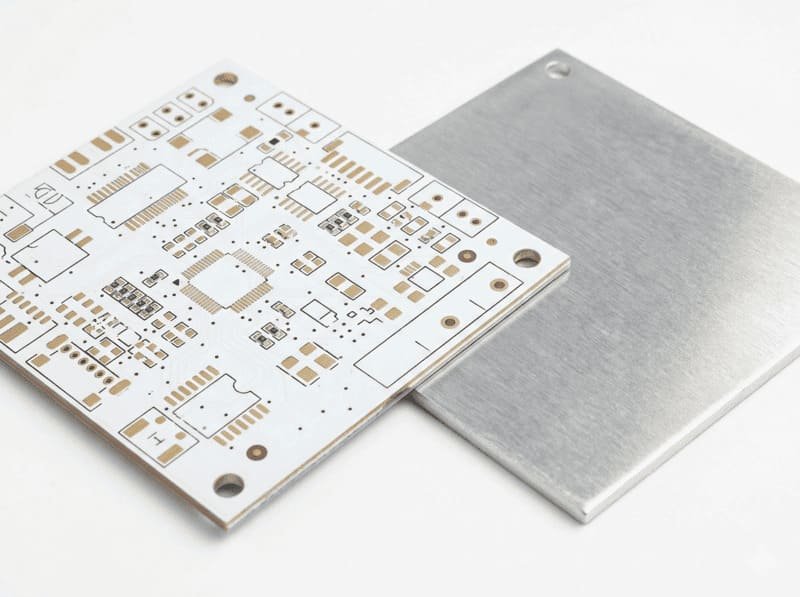
The typical structure consists of three essential layers:
**Aluminum base layer**: Provides structural support and acts as the primary heat sink (typically 1.0mm to 3.0mm thick)
**Dielectric layer**: A thin thermally conductive insulation layer that electrically isolates the circuit while allowing heat transfer (typically 75μm to 180μm thick)
**Copper circuit layer**: Where the electrical traces are etched, similar to traditional PCBs (typically 1oz to 10oz copper weight)
At LZJPCB, our aluminum PCBs feature precision manufactured copper circuits bonded to high grade aluminum substrates with specialized thermal dielectric materials. This construction creates a direct thermal pathway from heat generating components to the aluminum base, which can then transfer heat to the ambient environment or additional cooling systems. This technology has proven essential for industrial control systems, power electronics, LED lighting, and any application where heat dissipation is critical for performance and reliability.
What are the advantages of Aluminum PCB?
Superior Thermal Management
Aluminum PCBs dissipate heat up to 9 times more efficiently than standard FR4 boards. This exceptional thermal conductivity (typically 1.0-3.0 W/m·K for the dielectric layer and 200+ W/m·K for the aluminum base) creates an ideal platform for high power components. I recently helped a German industrial automation client reduce their motor driver operating temperatures by 35°C simply by switching from FR4 to aluminum PCBs.
The efficient heat dissipation enables higher current carrying capacity without thermal damage, allowing for more compact designs with greater power density. This is particularly valuable for industrial control systems where cabinet space is limited but power requirements continue to increase. Many of our clients have been able to eliminate additional heatsinks and cooling hardware by leveraging the inherent thermal properties of aluminum PCBs.
Enhanced Mechanical Strength and Durability
With a coefficient of thermal expansion (CTE) closer to ceramic components than traditional PCB materials, aluminum PCBs experience less mechanical stress during thermal cycling. This translates to significantly improved solder joint reliability and reduced risk of component failure under temperature fluctuations common in industrial environments.
The rigid aluminum base provides superior physical stability, preventing warping and flexing that can damage components or break connections. This enhanced durability makes aluminum PCBs ideal for industrial equipment operating in vibration prone environments or applications requiring long term reliability in harsh conditions. For example, our aluminum PCBs in factory automation equipment have shown a 75% reduction in thermal related failures compared to standard FR4 alternatives.
Cost Effectiveness for High Power Applications
While aluminum PCBs have a higher initial material cost than FR4 boards, they deliver substantial system level cost savings by:
Eliminating or reducing separate heat sink components
Enabling higher component density, reducing overall assembly size
Improving reliability, reducing warranty claims and service costs
Extending component lifespan through better thermal management
For industrial applications, the total cost of ownership often favors aluminum PCBs when considering the entire product lifecycle. I've worked with production managers who initially hesitated at the higher board cost but ultimately achieved significant savings through simplified assembly, reduced cooling requirements, and improved field reliability.
Simplified Assembly and Integration
Aluminum PCBs can be manufactured with integrated mounting features and heat dissipation structures, eliminating assembly steps and potential points of failure. This design integration reduces labor costs and improves manufacturing consistency compared to assemblies requiring separate thermal management components.
The flat, stable surface of aluminum PCBs supports high precision automated assembly processes, improving first pass yields in SMT production. The mechanical stability also reduces handling damage during manufacturing, further improving production efficiency for industrial electronics manufacturers.
What is Aluminum PCB commonly used in?
Industrial Power Control Systems
Aluminum PCBs excel in motor drives and power conversion equipment where high currents generate significant heat. The superior thermal management enables more compact designs without sacrificing reliability, critical for modern factory automation systems where control cabinet space is always at a premium.
I’ve personally supported projects where aluminum PCBs allowed industrial drive manufacturers to achieve power densities that would be impossible with traditional FR4 boards. The improved thermal performance also enables these systems to operate reliably in high ambient temperature environments without additional cooling infrastructure, simplifying installation and reducing maintenance requirements.
LED Lighting Systems
Industrial lighting applications benefit tremendously from aluminum PCBs, which provide direct thermal pathways from LED components to heat dissipating surfaces. This thermal efficiency allows higher brightness levels while maintaining LED junction temperatures within safe operating limits, extending operational life and maintaining consistent light output.
For specialized industrial lighting in manufacturing environments, aluminum PCBs enable designs that withstand harsh conditions while providing the illumination consistency required for quality control and machine vision systems. The mechanical durability also makes these boards ideal for high vibration industrial environments where lighting reliability is critical for operational safety.
Automotive Electronics
The harsh operating conditions and reliability demands of automotive systems make aluminum PCBs ideal for engine control modules, LED lighting, and power distribution systems. These applications benefit from both the thermal performance and mechanical robustness inherent in aluminum based designs.
With increasingly stringent emissions and efficiency requirements, automotive electronics require ever higher power density and thermal performance. Aluminum PCBs provide the necessary thermal management while withstanding the vibration, temperature cycling, and environmental exposure that automotive applications demand.

Aluminum PCB Design Considerations

Thermal Management Planning
Effective thermal design begins with strategic component placement, positioning high heat components with adequate spacing and thermal pathways. I always recommend thermal simulation during the design phase to identify potential hot spots before production. This proactive approach has saved many clients from expensive redesigns.
For optimal thermal performance, consider the following best practices:
Position high power components with sufficient spacing to prevent thermal clustering
Utilize copper pours and thermal vias in multilayer designs to enhance heat spreading
Orient components to facilitate natural convection cooling where possible
Consider the thermal resistance path from component junction to ambient environment.
At LZJPCB, our thermal simulation tools can predict operating temperatures with high accuracy, allowing optimization before physical prototyping. This data driven approach ensures that thermal management meets application requirements from the very first design iteration.
Material Selection Considerations
The choice of dielectric material significantly impacts thermal performance, with options ranging from standard epoxy (1-2 W/m·K) to high performance ceramics (3-5+ W/m·K). While higher thermal conductivity materials add cost, they may eliminate the need for additional cooling solutions, resulting in overall system savings.
Aluminum alloy selection is equally important, with options including:
1050 Aluminum: 99.5% pure aluminum with excellent thermal conductivity (229 W/m·K)
5052 Aluminum: Higher strength for applications requiring mechanical durability
6061 Aluminum: Balanced properties for general industrial applications.
The copper thickness selection impacts both current carrying capacity and thermal spreading. For high power industrial applications, heavier copper weights (2oz-10oz) provide superior performance but require specialized manufacturing capabilities that LZJPCB has developed specifically for industrial clients.
Layout Optimization for Thermal Performance
Thermal aware PCB layout requires special considerations beyond electrical connectivity. Creating copper pours connected to the thermal substrate improves heat transfer from component mounting pads to the aluminum base. For multilayer designs, thermal via arrays under high power components create direct thermal pathways through the board structure.
High current trace design requires careful width calculation based on expected current flow, acceptable temperature rise, and copper weight. Our design team uses specialized calculators that account for aluminum PCB thermal characteristics to determine optimal trace dimensions for specific current requirements.
The solder mask strategy also impacts thermal performance, selective solder mask removal in high heat areas can improve thermal transfer to the aluminum substrate. This technique must be balanced with necessary electrical isolation and manufacturing requirements.
Manufacturing Process for Aluminum PCB
The aluminum PCB manufacturing process involves specialized techniques that differ significantly from standard FR4 production:

Base Material Preparation
Aluminum sheets are precisely cut, cleaned, and prepared for bonding

Dielectric Application
Thermally conductive dielectric material is applied to the aluminum base

Copper Laminatio
Copper foil is bonded to the dielectric layer under precisely controlled heat and pressure

Circuit Formation
Standard photolithography and etching processes create the circuit pattern


The critical manufacturing challenge is achieving proper adhesion between the aluminum base and dielectric layer while maintaining optimal thermal properties. Our specialized lamination process ensures void free bonds with consistent thermal performance across the entire board surface.
The quality control process includes thermal conductivity testing, adhesion strength verification, and dielectric integrity evaluation beyond standard electrical testing. These specialized tests ensure that each aluminum PCB will deliver the expected thermal performance in actual application conditions.
Types of Aluminum PCB Constructions
Single Layer Aluminum PCBs

The most common configuration features a single copper circuit layer on an aluminum base, separated by the dielectric material. This simple construction offers excellent thermal performance for basic applications while maintaining cost effectiveness. Single layer designs are ideal for power converters, LED arrays, and other applications where component density requirements are moderate.
The manufacturing process for single layer aluminum PCBs is relatively straightforward, resulting in faster production times and lower costs compared to multilayer alternatives. For industrial applications with straightforward circuit requirements but high thermal demands, this construction provides an optimal balance of performance and value.
Double Layer Aluminum PCBs
Adding a second copper layer increases circuit density capabilities while maintaining excellent thermal performance. This construction utilizes plated through holes to connect the two copper layers, with the aluminum base still providing the primary thermal pathway. Double layer designs are commonly used for more complex power electronics and control circuits where additional routing density is required.
The manufacturing complexity increases with double layer construction, requiring precise registration between layers and specialized drilling techniques to create reliable plated through holes. At LZJPCB, our advanced registration systems maintain layer to layer alignment within ±0.05mm, critical for reliable interconnection in these more sophisticated designs.

Multilayer Aluminum PCBs

The most advanced aluminum PCB construction incorporates multiple circuit layers for maximum routing density while maintaining thermal performance. These sophisticated boards combine traditional multilayer PCB manufacturing techniques with aluminum base technology, creating solutions for the most complex thermal management challenges.
Multilayer aluminum PCBs require specialized manufacturing expertise to maintain both electrical and thermal performance across all layers. The inner layer stack up must be carefully designed to balance electrical requirements with thermal transfer characteristics. Our engineering team has developed proprietary techniques for optimizing these complex structures based on each application’s specific requirements.
Heavy Copper Aluminum PCBs
For extreme high power industrial applications, heavy copper aluminum PCBs combine thick copper layers (3oz to 10oz) with aluminum base technology. This specialized construction handles very high currents while maintaining excellent thermal performance, ideal for power distribution, motor drives, and industrial power conversion systems.
Manufacturing heavy copper aluminum PCBs requires specialized equipment and processes beyond standard PCB capabilities. The etching process must be precisely controlled to maintain trace definition with thick copper, and the bonding process must accommodate the significant difference in thermal expansion between heavy copper and aluminum. LZJPCB has invested in specialized equipment specifically to address these manufacturing challenges.

Comparing Aluminum PCBs with Alternative Technologies
Aluminum PCBs vs. Traditional FR4 PCBs

While standard FR4 PCBs offer lower initial cost, their thermal conductivity (typically 0.3 W/m·K) is dramatically lower than aluminum PCBs (1.0-3.0 W/m·K for the dielectric layer and 200+ W/m·K for the aluminum base). This fundamental difference makes aluminum PCBs the clear choice for thermally demanding applications.
FR4 boards require additional heat sinks and cooling solutions for high power applications, increasing total system cost and complexity. The thermal expansion mismatch between FR4 and mounted components also creates reliability issues during thermal cycling that aluminum PCBs largely avoid. I’ve seen industrial clients achieve 30-50% reductions in control cabinet size by switching from FR4 with external heat sinks to integrated aluminum PCB solutions.
Aluminum PCBs vs. Ceramic PCBs

Copper core PCBs offer marginally better thermal conductivity than aluminum (approximately 400 W/m·K vs. 200+ W/m·K) but at a significantly higher material cost. For most applications, the thermal performance difference doesn’t justify the additional expense of copper cores. Aluminum also offers weight advantages, with approximately one third the density of copper.
The manufacturing processes for copper core PCBs are also more complex, resulting in longer lead times and higher production costs. For industrial applications requiring high volume production, aluminum PCBs typically provide the optimal balance of thermal performance, mechanical properties, and cost effectiveness.
Aluminum PCBs vs. Copper Core PCBs

Copper core PCBs offer marginally better thermal conductivity than aluminum (approximately 400 W/m·K vs. 200+ W/m·K) but at a significantly higher material cost. For most applications, the thermal performance difference doesn’t justify the additional expense of copper cores. Aluminum also offers weight advantages, with approximately one third the density of copper.
The manufacturing processes for copper core PCBs are also more complex, resulting in longer lead times and higher production costs. For industrial applications requiring high volume production, aluminum PCBs typically provide the optimal balance of thermal performance, mechanical properties, and cost effectiveness.
LZJPCB Aluminum PCB Manufacturing Capabilities
| Features | Capabilities |
|---|---|
| Base Material | 1050, 5052, 6061 aluminum alloys |
| Aluminum Thickness | 0.8mm to 3.2mm standard, custom thicknesses available |
| Dielectric Options | Standard (1.0 W/m·K), High-Performance (2.0+ W/m·K), Ultra-High (3.0+ W/m·K) |
| Copper Thickness | 1oz to 10oz (35μm to 350μm) |
| Maximum Board Size | 500mm × 600mm |
| Minimum Trace/Space | 4/4mil (0.1mm/0.1mm) standard, 3/3mil (0.075mm/0.075mm) for advanced designs |
| Surface Finish Options | HASL, ENIG, Immersion Silver, OSP, Immersion Tin, Hard Gold |
| Minimum Hole Size | 0.2mm mechanical drilling |
| Solder Mask Colors | Green, White, Black, Red, Blue, Yellow (Custom colors available) |
| Silkscreen Colors | White, Black, Yellow, Blue (Standard) |
| Board Construction | Single-layer, Double-layer, Multilayer (up to 6 layers) |
| Special Features | Heavy copper capability, Selective plating, Mixed material construction |
| Quality Testing | 100% electrical testing, Thermal conductivity verification, Adhesion testing |
| Typical Lead Times | Prototype: 3-5 days, Standard Production: 7-10 days, Volume Production: 10-15 days |
Why Choose LZJPCB for Aluminum PCB?
Specialized Engineering Support
Our aluminum PCB engineering team brings over 25 years of combined experience in thermal management and power electronics design. We don't just manufacture your design, we collaborate with your team to optimize it for thermal performance and manufacturability. For every aluminum PCB project, we provide comprehensive thermal analysis and material recommendations specific to your application requirements.
I personally work with many of our industrial automation clients during the design phase, providing insights on thermal management strategies that significantly improve both manufacturing yields and long term reliability. Our DFM (Design for Manufacturing) reviews include specialized thermal considerations often overlooked by general PCB design tools.
Advanced Manufacturing Capabilities
LZJPCB has invested in dedicated aluminum PCB production lines with specialized equipment not found in standard PCB facilities. Our precision bonding systems maintain consistent dielectric thickness within ±10%, critical for reliable thermal performance across the entire board surface. Our manufacturing processes include proprietary surface preparation techniques that significantly improve the bond strength between aluminum and dielectric materials.
For industrial clients with demanding applications, we offer specialized testing beyond industry standards, including thermal conductivity verification and power cycling tests that simulate actual use conditions. Each aluminum PCB undergoes comprehensive electrical testing and visual inspection to ensure perfect functionality and appearance before shipping.
Proven Success with Industrial Clients
Our portfolio includes successful aluminum PCB projects for leading industrial automation companies worldwide. We've helped clients reduce control system operating temperatures by up to 40°C while simultaneously reducing enclosure sizes by eliminating separate heat sinks. Our manufacturing processes meet the stringent requirements of international standards including IPC-6012 Class 2 and 3 for metal core PCBs.
Working with industrial clients across Europe, Asia, and North America has given us deep insight into the specific requirements of industrial control systems. We understand the importance of thermal reliability in factory environments, where equipment may operate continuously for years with minimal maintenance. Our aluminum PCB solutions are specifically engineered to excel in these demanding conditions.
Aluminum PCB FAQ
What design software is recommended for aluminum PCB design?
Most major EDA platforms including Altium Designer, Cadence Allegro, and Mentor Xpedition support aluminum PCB design. The key is using software that allows proper thermal modeling and simulation. At LZJPCB, we find Altium Designer particularly effective for aluminum PCB work due to its integrated thermal analysis capabilities that help identify potential hot spots during the design phase.
For clients new to aluminum PCB design, our engineering team provides thermal design rules and constraint sets optimized for your specific software platform. We can also review your design files before production to ensure they follow thermal management best practices, regardless of which design tool you use.
How do I determine if an aluminum PCB is necessary for my application?
Consider aluminum PCBs when your application involves:
Components that generate significant heat (power MOSFETs, regulators, LEDs)
High current requirements (typically above 3A)
Space constraints that limit conventional cooling solutions
Operating environments with elevated ambient temperatures
Requirements for high reliability in thermally challenging conditions
Our engineering team can perform thermal analysis of your specific application to determine if aluminum PCBs would provide meaningful benefits. We typically recommend aluminum substrates when component junction temperatures would exceed safe operating limits with conventional FR4 boards, or when the cost and complexity of additional cooling hardware exceeds the incremental cost of aluminum PCB technology.
What surface finishes are recommended for aluminum PCBs?
The most common surface finishes for aluminum PCBs include:
**ENIG (Electroless Nickel Immersion Gold)**: Excellent for fine pitch components and extended shelf life
**Immersion Silver**: Good solderability and conductivity at lower cost than ENIG
**HASL (Hot Air Solder Leveling)**: Economical option with good solderability
**OSP (Organic Solderability Preservative)**: Flat surface ideal for fine pitch components
For industrial applications requiring high reliability, we typically recommend ENIG for its excellent shelf life and compatibility with both lead and lead free soldering processes. For high current applications, thicker plating options may be recommended to handle increased current density.
Can aluminum PCBs be repaired if components fail?
Aluminum PCBs require specialized repair techniques due to their high thermal conductivity. Standard rework equipment often requires higher temperature settings and longer heating times to achieve proper soldering temperatures. For complex repairs, we recommend:
– Using preheaters to elevate the base temperature of the aluminum substrate
– Selecting higher power soldering equipment designed for high thermal mass boards
– Applying appropriate flux for the specific surface finish
– Controlling heating time to prevent thermal damage to the dielectric layer
At LZJPCB, we offer repair and rework guidance specific to our aluminum PCB constructions. For critical industrial applications, we can provide detailed rework procedures tailored to your specific board design and component technology.
What are the environmental and reliability standards for aluminum PCBs?
Our aluminum PCB manufacturing processes comply with international standards for reliability and environmental compliance:
IPC-6012 Class 2 and 3 for metal core PCB performance requirements
IPC-A-610 Class 2 and 3 for assembly quality
RoHS and REACH compliance for environmental safety
UL recognition available for flame resistance requirements
ISO 9001:2015 quality management system certification
ISO 14001 environmental management system certification
For specialized applications, we support additional compliance requirements including:
Automotive reliability standards (IATF 16949)
Industrial control system requirements (IEC 61439)
Each aluminum PCB project includes comprehensive documentation of all applicable standards compliance, supporting your product certification requirements.
Unlock More Possibilities with LZJPCB Solutions
From standard rigid PCBs to advanced aluminum substrate technologies, our manufacturing services deliver exceptional quality across diverse applications and industries. Contact us today to discuss your specific thermal management challenges and discover how our aluminum PCB solutions can enhance your industrial electronics performance.
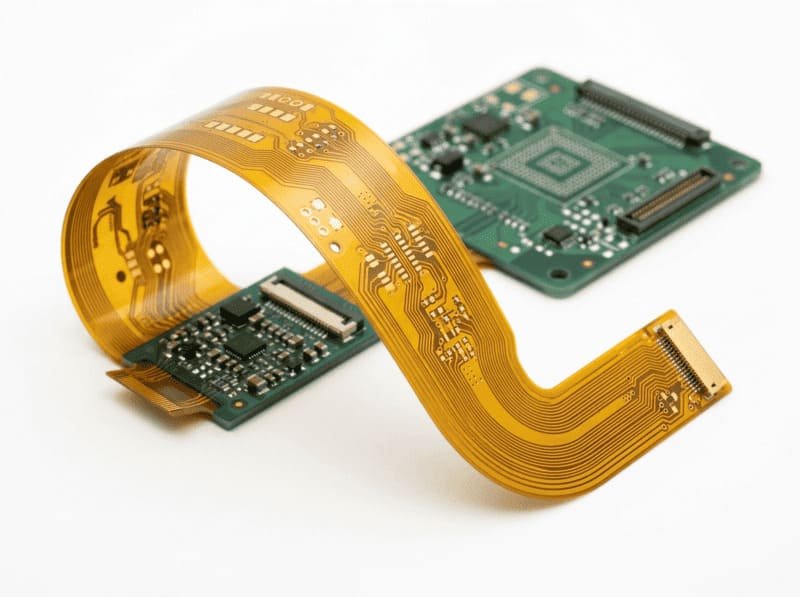
Flex PCB
- Layer count: 1-32 layers
- Turn time: from 24 hours
- Thickness: 0.4mm-4.0mm
- Copper: 1-15oz
- Min trace/spacing: 3/3 mil
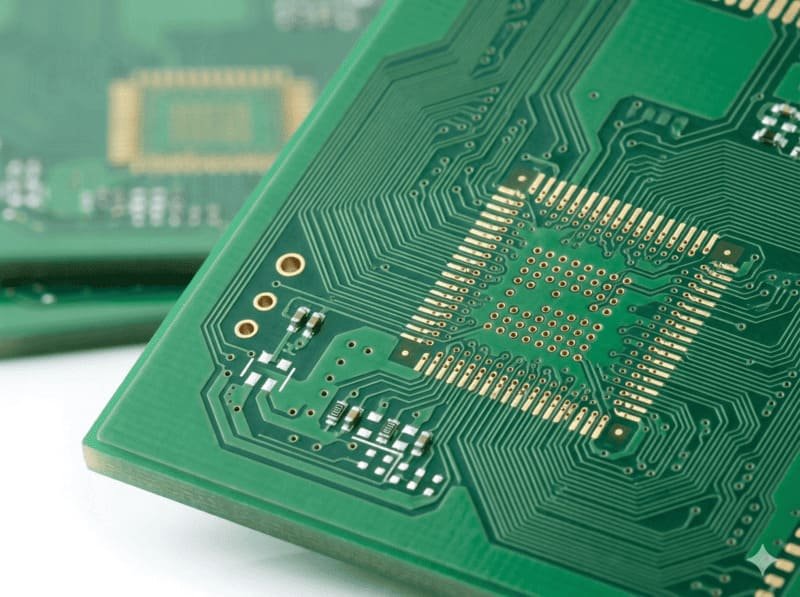
HDI PCB
- 4-20 layer HDI designs
- Advanced buried and blind via technology
- 10 day production timeline
- Ideal for complex, space constrained applications
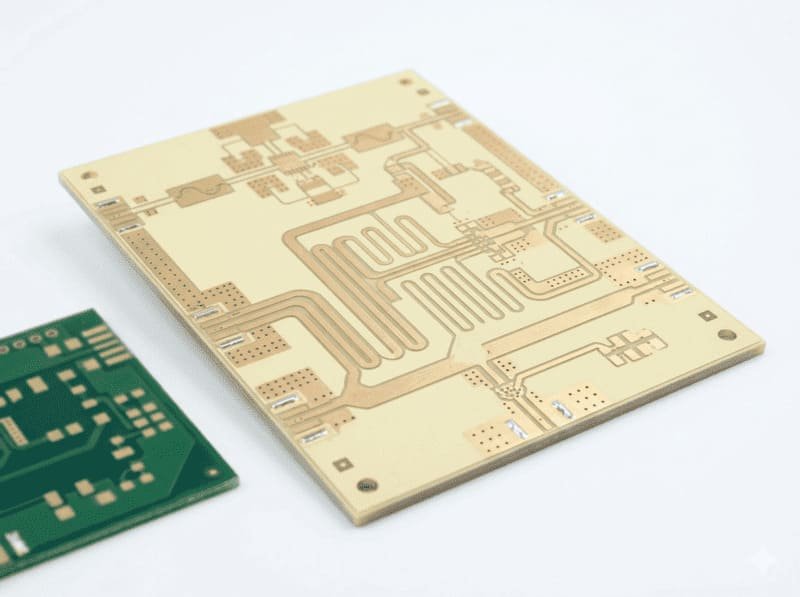
Rogers PCB
- 5 day production timeline
- Premium RO4003C and RO4350B materials
- Specialized for RF and high frequency applications
- Exceptional signal integrity performance
Aluminum PCB
- 1-2 layer designs
- 24 hour rapid production available
- Thickness options: 0.8mm-3.2mm
- Copper weights: 0.5-4oz
- Precision trace/spacing down to 3/3 mil
- Enhanced thermal dissipation
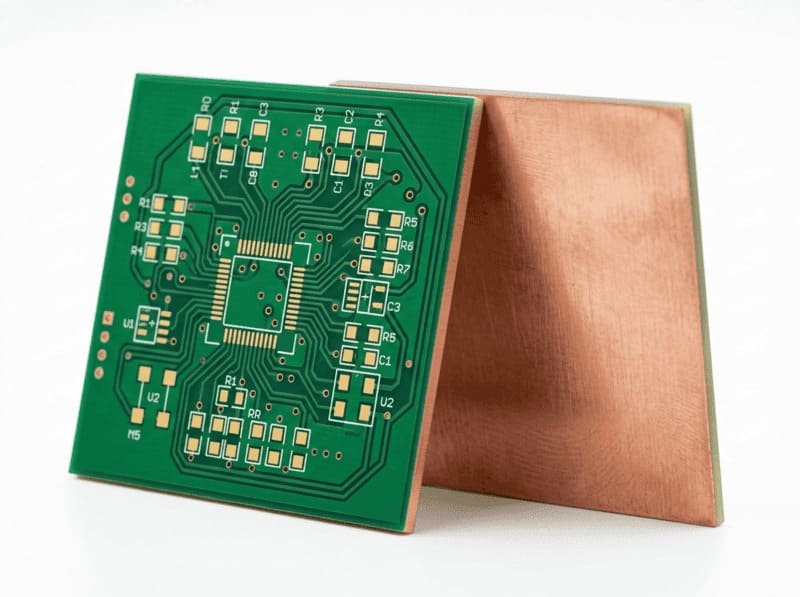
Copper Core PCB
- 1 - 2 layer configurations
- 1.0-2.0mm thickness options
- 1-2oz copper weights
- Superior thermal management properties
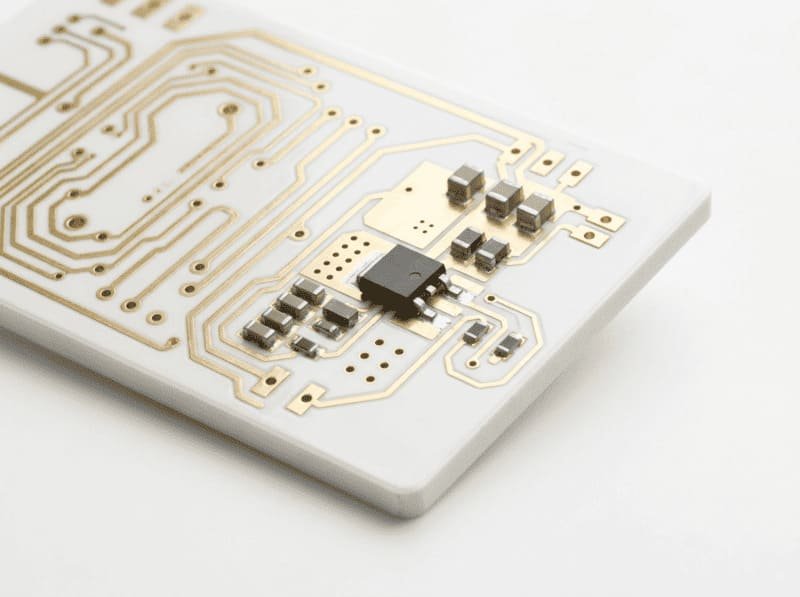
Ceramic PCB
- Layer count: 1-2 layers
- Turn time: from 24 hours
- Thickness: 0.8mm-3.2mm
- Copper: 0.5-4oz
- Min trace/spacing: 3/3 mil
Get Your Turnkey PCB Manufacturing Quote Within 12 Hours
Our experienced engineering team will analyze your requirements and provide a detailed production plan with transparent pricing.