Skip to content
FR4 PCB Manufacturer
The Industry Standard for High Performance Electronics
What is an FR4 PCB?
FR4 PCB (Flame Retardant 4 Printed Circuit Board) is the industry standard base material used in approximately 90% of rigid circuit boards manufactured today. This composite material consists of woven fiberglass cloth impregnated with epoxy resin, creating an exceptionally durable and electrically insulating foundation for electronic circuits. The “FR4” designation specifically indicates a flame retardant material (UL94V-0 rated) that self extinguishes when a flame source is removed a critical safety feature for electronic components.

At LZJPCB, our FR4 PCBs feature precision manufactured copper traces, interconnection points, and mounting pads that accommodate components ranging from traditional through hole to advanced surface mount technologies. With manufacturing capabilities spanning from single layer designs to complex 32 layer boards, our FR4 PCBs deliver the ideal balance of electrical performance, mechanical durability, and cost effectiveness required for industrial automation systems, telecommunications equipment, medical devices, and countless other applications.
What are the advantages of using FR4 PCB?
Superior Electrical Insulation
FR4 material provides exceptional electrical insulation properties with a dielectric constant of 4.0-4.8 and breakdown voltage exceeding 20kV/mm. This superior insulation ensures reliable circuit performance by preventing signal leakage between conductive paths, even in high density layouts with minimal spacing between traces. This characteristic is particularly crucial for precision industrial control systems and telecommunications equipment where signal integrity directly impacts operational reliability.
Excellent Thermal Stability
Our FR4 PCBs maintain dimensional stability and consistent electrical performance across wide temperature ranges (-50°C to +130°C for standard FR4, up to 180°C for high Tg variants). This remarkable thermal resilience ensures your electronics perform reliably in demanding industrial environments, from factory automation systems operating in heated production areas to outdoor telecommunications equipment exposed to extreme weather conditions. The controlled thermal expansion characteristics of FR4 (X-Y axis CTE of 14-17 ppm/°C) prevent stress on component connections during temperature fluctuations, dramatically extending operational lifespan.
Mechanical Strength and Durability
With a tensile strength exceeding 310 MPa and flexural strength of 415 MPa, FR4 provides outstanding mechanical support for components while resisting warping, twisting, and impact damage. This exceptional structural integrity is crucial for electronics deployed in vibration prone industrial environments, maintaining reliable connections between components even under significant mechanical stress. The material's inherent resilience allows for reliable through hole plating and prevents micro cracks from forming during thermal cycling, ensuring long term connection reliability in mission critical industrial applications.
What is the difference between FR1, FR2, FR3, FR4 and FR5 PCB?


At LZJPCB, we specialize primarily in FR4 based PCBs due to their optimal performance to cost ratio for industrial applications. However, we maintain expertise across the full spectrum of flame resistant PCB materials to address specific project requirements:
FR1: Paper based phenolic material with basic flame resistance. Cost effective but limited to simple single/double layer designs operating at low frequencies. Suitable for basic consumer electronics with minimal environmental stress.
FR2: Paper phenolic composite with improved flame resistance over FR1, but still limited in thermal performance (Tg typically 105°C). More economical than FR4 but with lower dimensional stability and higher water absorption. Appropriate for cost sensitive consumer products with modest performance requirements.
FR3: Cotton paper and epoxy composite offering better electrical properties than FR1/FR2 but inferior to FR4. Represents a middle ground in both performance and cost, though rarely used in modern industrial applications due to FR4’s superior reliability advantages.
FR4: Fiberglass reinforced epoxy material representing the industry standard. Offers exceptional balanced performance with excellent electrical properties, mechanical strength, and thermal stability (Tg 130-180°C). Our primary manufacturing focus, suitable for 90% of industrial applications.
FR5: Enhanced fiberglass epoxy composite with superior thermal performance (Tg 170-200°C). Offers better resistance to thermal decomposition and improved dimensional stability at elevated temperatures. Recommended for applications involving multiple reflow cycles or continuous high temperature operation.
For projects with specific requirements, we also offer specialized high Tg FR4 variants with enhanced thermal performance, along with cost effective FR2/FR3 options when appropriate for less demanding applications. Our engineering team provides material selection guidance based on your specific performance requirements and operating environment.
What are the disadvantages of using FR4 PCB?
Frequency Limitations
While excellent for most applications, standard FR4 experiences increased signal losses above 1-2 GHz due to its dielectric properties and higher dissipation factor (typically 0.02 at 1MHz). For high frequency RF applications exceeding these parameters, we recommend our specialized Rogers PCB materials, which offer superior signal integrity with lower insertion loss at frequencies up to 110 GHz. Our engineering team can advise on hybrid FR4/Rogers constructions that optimize both performance and cost for mixed signal applications.
Thermal Conductivity Constraints
FR4's thermal conductivity (approximately 0.25-0.3 W/mK) may be insufficient for high power density applications generating significant heat. For designs with thermal management challenges, LZJPCB offers enhanced solutions including aluminum backed FR4, copper core PCBs, or strategic thermal via placement to create efficient heat dissipation pathways. These specialized constructions maintain FR4's electrical advantages while significantly improving thermal performance for power electronics and high current applications.
Moisture Absorption Considerations
FR4 can absorb up to 0.15% moisture by weight, potentially affecting electrical properties and reliability in extremely humid environments. For applications deployed in high moisture settings, LZJPCB implements specialized manufacturing processes including thorough pre production baking cycles, vacuum sealed packaging, and advanced conformal coating options (including acrylic, silicone, or parylene coatings) to ensure long term reliability even in condensing humidity environments. These protective measures are particularly valuable for industrial equipment operating in tropical climates or outdoor installations.
How thick is a FR4 PCB?
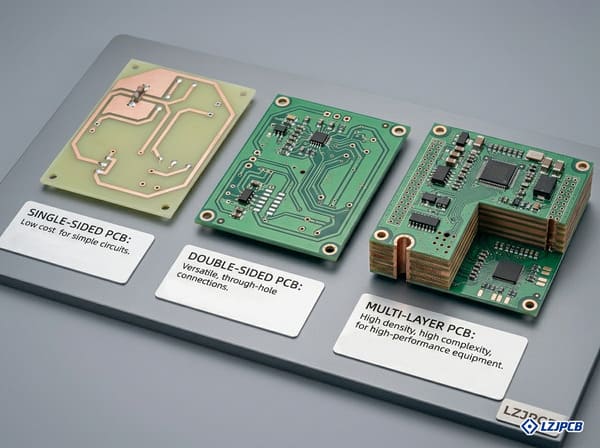
LZJPCB offers FR4 PCBs in a comprehensive range of industry standard thicknesses from 0.4mm (0.016") to 4.0mm (0.157"), with the most commonly requested being 1.6mm (0.062"). Our precision manufacturing processes ensure thickness tolerance of ±10% or better critical for connector fitting and enclosure mounting in industrial equipment. Other popular standard thicknesses include 0.8mm, 1.0mm, 1.2mm, 2.0mm, and 2.4mm, each serving specific application requirements from space constrained consumer devices to robust industrial control systems.
For specialized applications requiring non standard dimensions, our advanced manufacturing capabilities can produce custom thickness FR4 PCBs with precise tolerances. Our lamination process can achieve incremental thickness adjustments by selecting specific prepreg and core combinations, allowing us to meet exacting specifications. This capability is particularly valuable for industrial clients with specific mechanical constraints, unique enclosure requirements, or specialized connector interfaces where standard thicknesses would compromise design integrity.
Our engineering team designs optimal layer stackups based on your circuit complexity and performance requirements. For high speed designs, we implement controlled impedance calculations with precise dielectric thicknesses between copper layers, ensuring signal integrity at specific impedance values (typically 50Ω, 75Ω, or 100Ω). Our stackup designs account for copper weight variations, signal layer positioning, and power/ground plane arrangements to optimize both electrical performance and manufacturing reliability. For industrial automation applications, we typically recommend symmetrical stackups that minimize warping during thermal cycling, enhancing long term reliability in factory environments.
What is FR4 commonly used in?
The telecommunications industry relies heavily on FR4 PCBs for network switches, routers, cellular base stations, and signal processing equipment. Our FR4 boards deliver the signal integrity and reliability required for continuous operation in mission critical communications infrastructure deployed worldwide. The material's balanced electrical properties support both digital logic circuits and intermediate frequency analog signals common in telecom equipment, while its mechanical stability ensures connection reliability in rack mounted systems subject to installation handling and operational vibration.
The telecommunications industry relies heavily on FR4 PCBs for network switches, routers, and base station equipment. Our FR4 boards deliver the signal integrity and reliability required for continuous operation in mission-critical communications infrastructure deployed worldwide.
FR4's excellent electrical insulation propertiFR4's excellent electrical insulation properties and manufacturing consistency make it ideal for medical diagnostic equipment, patient monitoring systems, and therapeutic devices where reliability is paramount and failure is not an option. LZJPCB's FR4 manufacturing processes meet the stringent documentation and traceability requirements for medical electronics, ensuring consistent performance in applications where patient safety depends on circuit reliability. Our ISO 13485 compliant processes support medical device manufacturers with the quality systems needed for regulatory approval, while our FR4 material selection ensures biocompatibility for applicable devices.
es and manufacturing consistency make it ideal for medical diagnostic equipment, patient monitoring systems, and therapeutic devices where reliability is paramount. LZJPCB's FR4 manufacturing processes meet the stringent documentation and traceability requirements for medical electronics.

LZJPCB FR4 PCB Manufacturing Capabilities
| Features | Capabilities |
|---|---|
| Layer Count | 1-32 layers with precise registration and layer to layer alignment within ±0.05mm |
| Minimum Line Width/Spacing | 3/3 mil (0.076mm) standard, down to 2/2 mil (0.051mm) for advanced designs |
| Board Thickness | 0.4mm to 4.0mm with ±10% tolerance |
| Surface Finish Options | HASL, Lead free HASL, ENIG, Immersion Silver, Immersion Tin, OSP, Hard Gold |
| Copper Weight | 1/2 oz to 15 oz (18µm to 525µm) |
| Minimum Hole Size | 0.2mm mechanical drilling, 0.1mm laser drilling |
| Aspect Ratio | Up to 10:1 for reliable plated through holes |
| Material Options | Standard FR4, High Tg FR4, Halogen free FR4, Low loss FR4 |
| Solder Mask | Green, Black, White, Blue, Red, Yellow, Purple, Matte/Glossy options |
| Silkscreen | White, Black, Yellow, or custom colors with 4mil (0.1mm) minimum width |
| IPC Class | IPC-A-600 Class 2 standard, Class 3 available for high reliability applications |
| Controlled Impedance | ±10% tolerance for critical RF and high speed digital designs |
| Specialized Features | Blind/buried vias, filled vias, heavy copper, embedded components, mixed materials |
| Quality Testing | 100% electrical testing, AOI inspection, microsection analysis, solderability testing |
| Typical Lead Times | Prototype: 24-48 hours Standard Production: 5-7 business days Volume Production: 8-15 business days |
Why Choose LZJPCB FR4 PCB?
Engineering Excellence
Our dedicated engineering team brings decades of combined experience in PCB manufacturing, with specialized expertise in FR4 material optimization. We collaborate closely with clients to select the optimal FR4 grade and stack up design for each application, ensuring both electrical performance and manufacturing reliability. For industrial clients like automation equipment manufacturers, this expertise translates to higher product reliability and reduced field failures.
Advanced Quality Assurance
LZJPCB implements a comprehensive quality control system including automated optical inspection (AOI), flying probe electrical testing, X-ray inspection for internal layers, and impedance testing for critical circuits. Our quality metrics consistently exceed industry standards with defect rates below 50 PPM (parts per million). This commitment to quality ensures your industrial electronics perform reliably in demanding field conditions.
Production Flexibility
With manufacturing facilities in both China and Indonesia, LZJPCB offers exceptional flexibility to meet urgent production needs and adapt to changing requirements. Our capacity allows us to efficiently handle prototype quantities (as few as 5 pieces) to high volume production runs (10,000+ boards monthly), while maintaining consistent quality across all order volumes. This flexibility is particularly valuable for industrial clients managing product lifecycles from development through mass production.
FR4 PCB of FAQ
What PCB capabilities and technologies do you offer for FR4 boards?
LZJPCB manufactures FR4 PCBs from 1 to 32+ layers with minimum trace/spacing down to 3mil/3mil (standard) and 2mil/2mil for advanced designs. Our capabilities include HDI with microvias (down to 0.1mm diameter), blind and buried vias, controlled impedance (±10%), heavy copper (up to 15oz), and various specialized features. We offer multiple FR4 material options including standard FR4 (Tg 130-140°C), mid Tg (150-160°C), and high Tg (170-180°C) for lead free assembly compatibility. All boards undergo comprehensive testing including automated optical inspection, electrical testing, and impedance verification for critical circuits.
What are your typical lead times for FR4 PCB production?
For standard FR4 PCBs, our typical lead times are:
Prototype (1-10 pieces): 24-48 hours for simple designs
Standard production (10-500 pieces): 5-7 business days
Volume production (500+ pieces): 8-15 business days depending on quantity and complexity
We offer expedited services for time critical projects, with potential 24 hour turnaround for simple 1-4 layer FR4 boards. For industrial clients with scheduled production requirements, we provide reserved capacity manufacturing plans that ensure consistent delivery timelines aligned with your production schedule. All lead times include our comprehensive quality testing process to ensure every board meets our rigorous standards.
What quality control measures do you implement for FR4 PCB manufacturing?
Our FR4 PCB manufacturing incorporates multi stage quality verification:
Material Qualification: All incoming FR4 materials undergo verification testing for Tg, CTE, and dielectric properties
In Process Inspection: Automated optical inspection after each critical manufacturing step
Layer Registration Verification: X-ray inspection for multi layer board alignment
Electrical Testing: 100% flying probe or bed of nails testing depending on volume
Impedance Testing: Verification of controlled impedance traces on critical circuits
Microsection Analysis: Regular sampling for plated through hole quality verification
Solderability Testing: Surface finish quality verification
Final Inspection: Dimensional verification and visual inspection to IPC-A-600 standards
Our manufacturing facilities maintain ISO 9001:2015 certification, with processes designed to meet IPC-6012 Class 2/3 requirements. For industrial clients, we provide detailed quality reports and maintain complete traceability records for each production batch.
What environmental and compliance standards do your PCB manufacturing processes meet?
Our manufacturing processes comply with RoHS, REACH, and UL standards, with full documentation available upon request. We maintain ISO 14001 environmental management certification and can produce to IPC Class 2 and Class 3 standards as required. For specialized industries, we support additional compliance requirements including medical device standards (ISO 13485), automotive requirements (IATF 16949), and aerospace standards (AS9100). All manufacturing processes are regularly audited for compliance with relevant environmental and safety regulations in both our China and Indonesia facilities.
How does FR4 compare to other PCB materials for industrial applications?
For industrial applications, FR4 offers several advantages over alternative materials:
Versus Aluminum PCB: FR4 allows for multi layer designs (up to 32+ layers) compared to aluminum’s 1-2 layer limitation, enabling much greater circuit complexity. While aluminum offers better thermal conductivity, FR4’s superior electrical insulation and cost effectiveness make it preferable for most control systems that don’t generate significant heat.
Versus High Frequency Materials (Rogers): FR4 is 3-5x more economical than specialized RF materials while providing sufficient performance for most industrial applications operating below 1-2 GHz. For industrial equipment without critical RF or ultra high speed requirements, FR4 delivers the optimal balance of performance and cost.
Versus CEM-1/CEM-3: While slightly less expensive, CEM materials offer reduced reliability and inferior electrical properties compared to FR4. For industrial applications where equipment may operate continuously for years in challenging environments, FR4’s superior durability and consistent electrical performance justify its modest cost premium.
For industrial automation applications specifically, FR4’s balanced performance across multiple parameters (electrical insulation, mechanical strength, thermal resistance, manufacturability, and cost) makes it the optimal choice for control systems, interface boards, and communication modules.
What are the environmental and compliance standards for your FR4 PCBs?
LZJPCB’s FR4 PCB manufacturing processes comply with global environmental and industry standards:
RoHS Compliance: All our FR4 PCBs are manufactured in compliance with RoHS directives, restricting the use of hazardous substances including lead, mercury, cadmium, and certain flame retardants.
REACH Compliance: Our materials and processes conform to REACH regulations regarding chemical substances.
UL Certification: We use UL recognized FR4 base materials meeting UL94V-0 flammability standards, with options for UL listing when required for end products.
IPC Standards: Our manufacturing processes adhere to IPC-A-600 and IPC-6012 standards, with Class 2 as our standard offering and Class 3 available for high reliability applications.
ISO Certification: Our facilities maintain ISO 9001:2015 and ISO 14001 certifications, ensuring both quality management and environmental responsibility.
For industrial clients with specialized requirements, we also support:
Medical device standards (ISO 13485) for medical equipment manufacturers
Automotive requirements (IATF 16949) for vehicle systems
Specific customer defined compliance standards
All compliance documentation is available upon request, supporting your product certification requirements.
Unlock More Possibilities with LZJPCB Solutions
From standard FR4 PCBs to specialized flex boards, our PCB manufacturer services deliver exceptional quality across diverse technologies and applications.
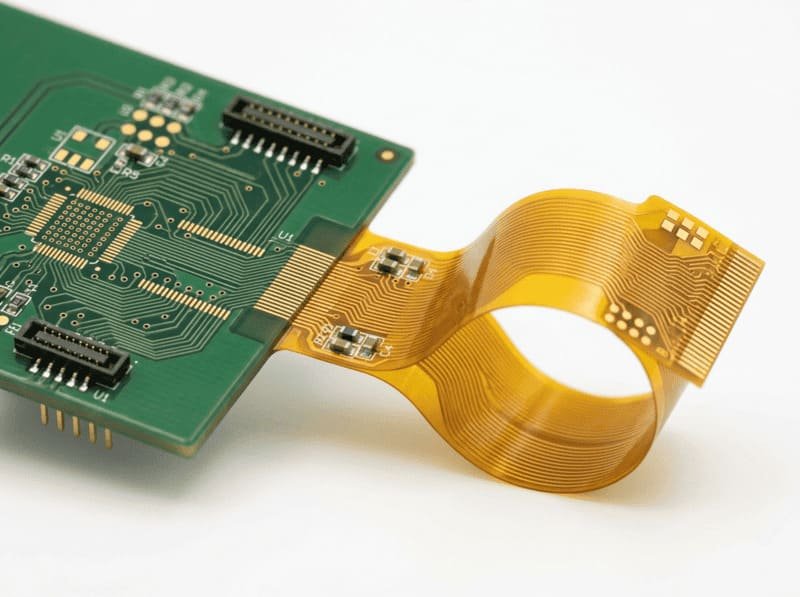
Rigid Flex PCB
- Layer count: 1-8 layers
- Turn time: from 3 days
- Support PI, FR4, Aluminum sheet stiffeners
- Complete PCB assembly services available
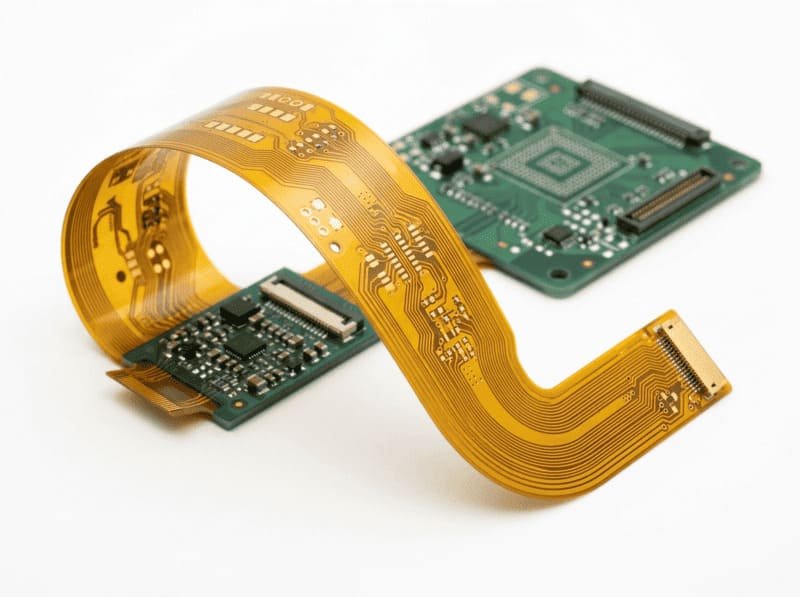
Flex PCB
- Layer count: 1-32 layers
- Turn time: from 24 hours
- Thickness: 0.4mm-4.0mm
- Copper: 1-15oz
- Min trace/spacing: 3/3 mil
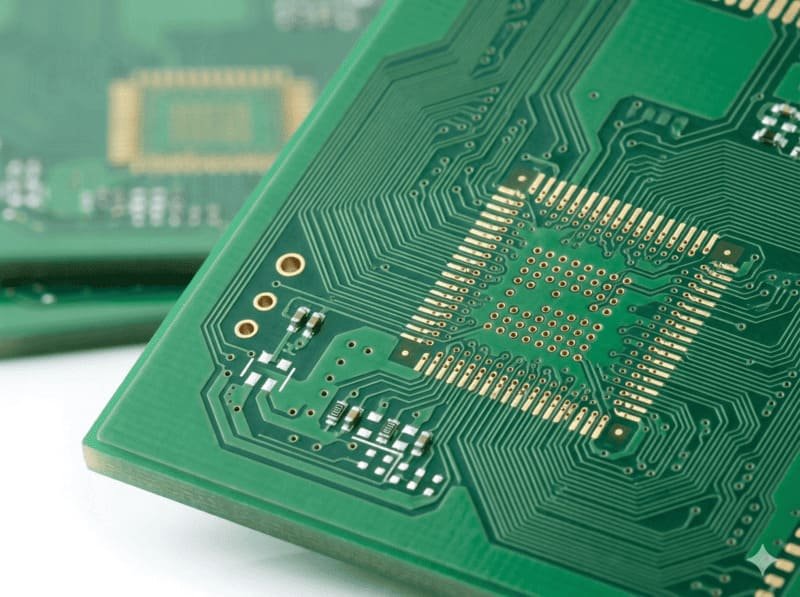
HDI PCB
- 4-20 layer HDI designs
- Advanced buried and blind via technology
- 10 day production timeline
- Ideal for complex, space constrained applications
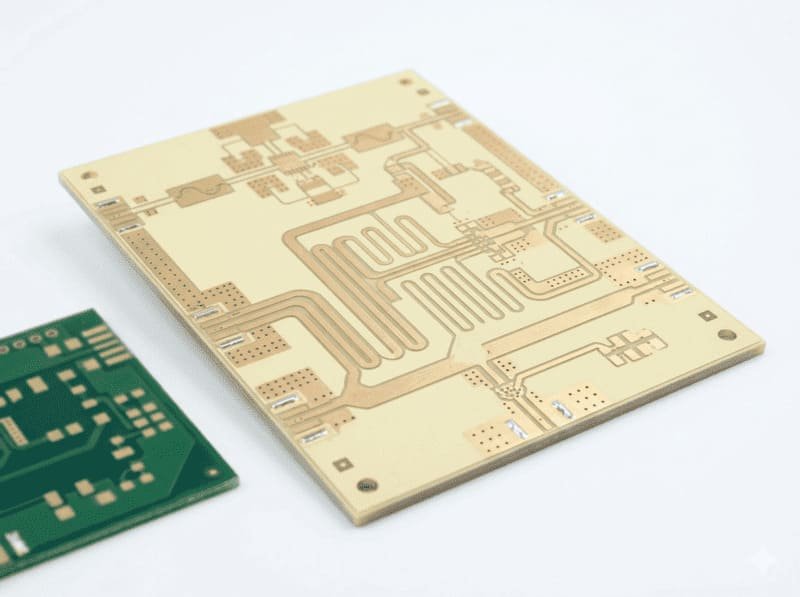
Rogers PCB
- 5 day production timeline
- Premium RO4003C and RO4350B materials
- Specialized for RF and high frequency applications
- Exceptional signal integrity performance
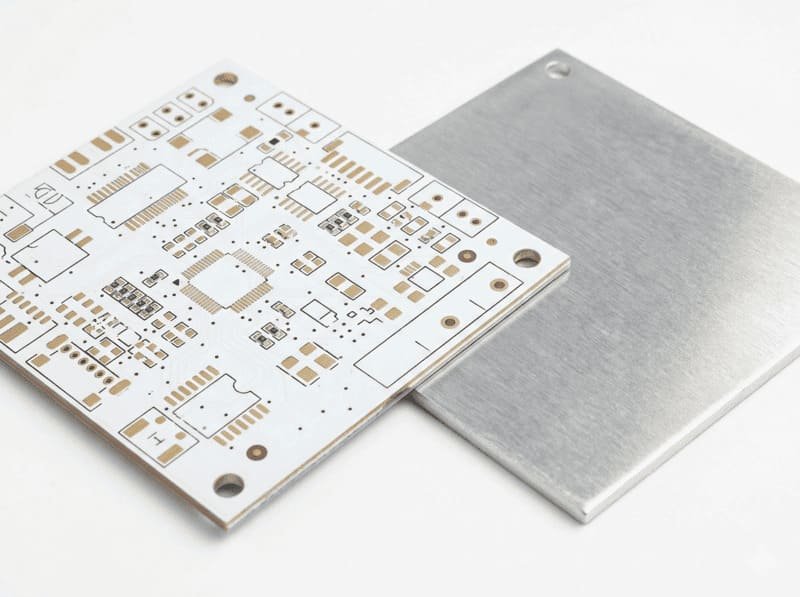
Aluminum PCB
- 1-2 layer designs
- 24 hour rapid production available
- Thickness options: 0.8mm-3.2mm
- Copper weights: 0.5-4oz
- Precision trace/spacing down to 3/3 mil
- Enhanced thermal dissipation
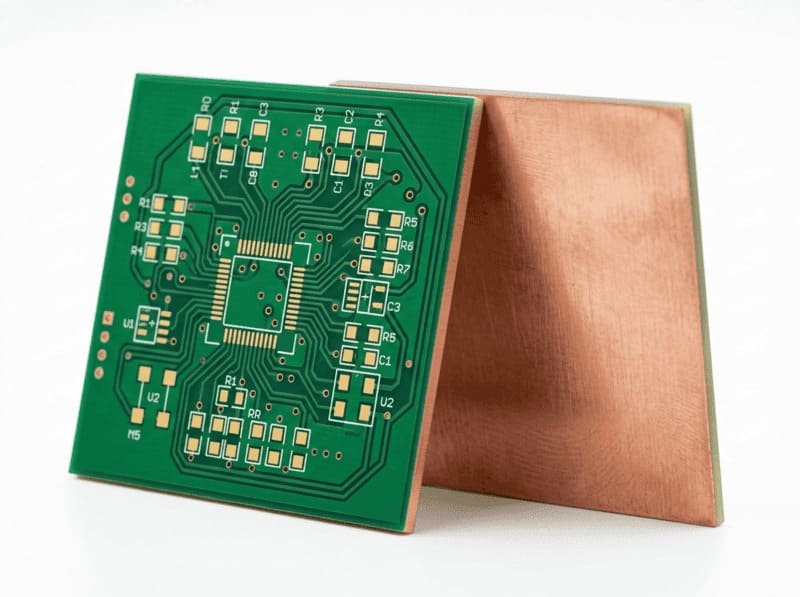
Copper Core PCB
- 1 - 2 layer configurations
- 1.0-2.0mm thickness options
- 1-2oz copper weights
- Superior thermal management properties
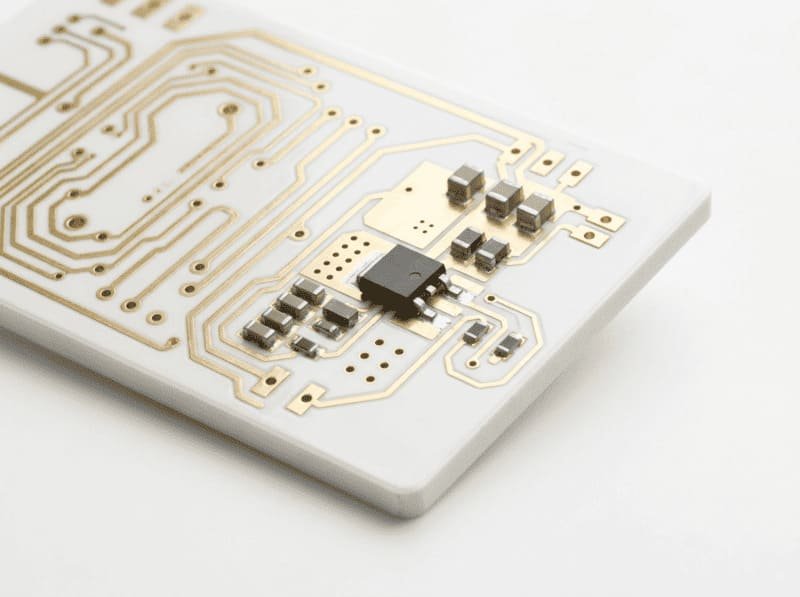
Ceramic PCB
- Layer count: 1-2 layers
- Turn time: from 24 hours
- Thickness: 0.8mm-3.2mm
- Copper: 0.5-4oz
- Min trace/spacing: 3/3 mil
Get Your Turnkey PCB Manufacturing Quote Within 12 Hours
Our experienced engineering team will analyze your requirements and provide a detailed production plan with transparent pricing.