Skip to content
Finding the right PCB assembly partner can make or break your electronics project. Many companies discover too late that their chosen partner lacks necessary capabilities, resulting in quality issues, missed deadlines, and budget overruns that threaten product launches and damage customer relationships.
To choose a reliable PCB assembly partner, evaluate their industry experience, quality certifications (ISO 9001, IPC-A-610), manufacturing capabilities, component sourcing abilities, inspection methods, communication responsiveness, and pricing transparency. Request facility tours when possible, check customer references, and start with small test projects before committing to large volume production.
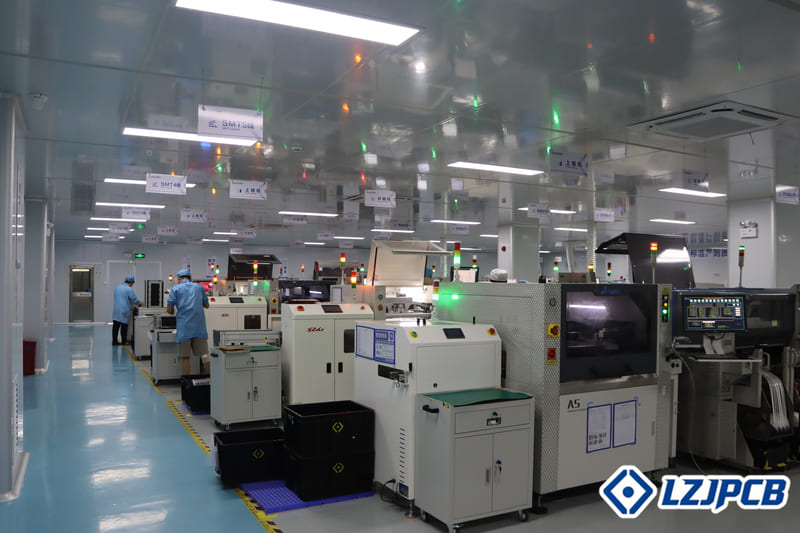
In my role at LZJPCB, I’ve worked with hundreds of clients who came to us after disappointing experiences with previous assembly partners. I’ve also seen firsthand how the right manufacturing partnership can transform a challenging product development cycle into a smooth, efficient process. Let me share some practical insights to help you avoid common pitfalls and find a PCB assembly partner that will truly support your product’s success.
What Factors Influence PCB Assembly Costs?
Many electronics developers underestimate PCB assembly costs1 by focusing solely on component prices or assembly labor rates. This oversimplification leads to budget overruns, unexpected charges, and costly project delays when the true complexity factors emerge during production.
PCB assembly costs are influenced by board complexity (layer count, size, component density), component types and sourcing, production volume, assembly technology (SMT vs. through hole), testing requirements, turnaround time, quality standards, special processes needed, and design for manufacturability factors. Volume discounts typically begin at 500-1,000 units.
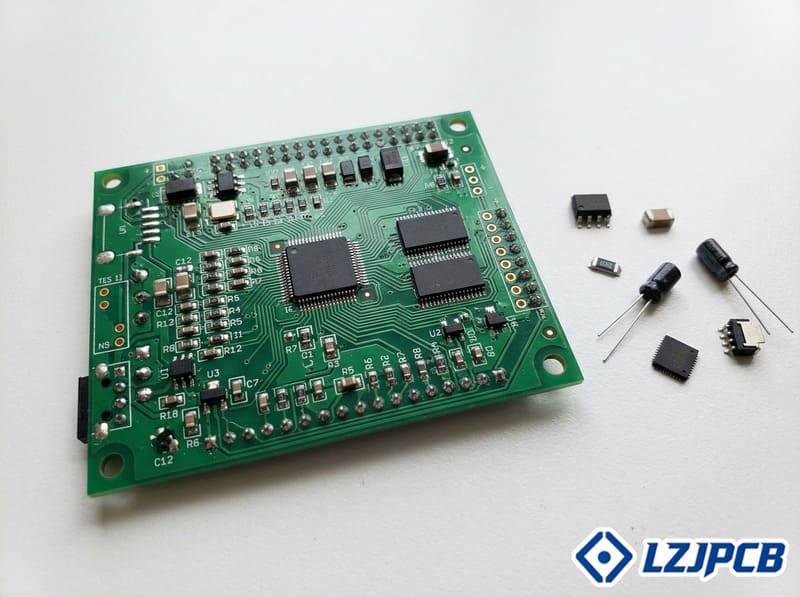
Understanding these cost factors helps you make informed decisions and properly budget for your electronics projects. At LZJPCB, we believe in transparent pricing discussions with our clients to avoid surprises and help optimize designs for cost efficiency without compromising quality. Let me break down the key elements that impact your PCB assembly costs1.
Understanding the True Cost Drivers in PCB Assembly
PCB assembly pricing involves multiple factors that interact in complex ways. Based on my experience managing production costs at LZJPCB, I’ve compiled a comprehensive analysis of these cost drivers and their relative impact on overall project budgets.
| Cost Factor | Impact Level | Cost Variation | Optimization Potential | Key Considerations |
|---|---|---|---|---|
| Production Volume | High | 20-80% | High | Economies of scale start at 500-1000 units |
| Component Selection | Very High | 30-70% | High | Active components typically represent 60-80% of BOM cost |
| Board Complexity | Medium High | 15-50% | Medium | Layer count, size, and component density2 |
| Assembly Technology | Medium | 10-40% | Medium | SMT vs. through hole vs. mixed technology |
| Testing Requirements | Medium | 5-30% | Medium High | ICT fixtures have high upfront costs but lower per unit costs |
| Turnaround Time | Medium | 10-100% | High | Rush fees can double costs for expedited production |
| Quality Standards | Medium | 5-30% | Low | Higher standards require more inspection steps and lower throughput |
| Special Processes | Medium Low | 5-25% | Medium | Conformal coating, potting, special cleaning requirements |
| DFM Optimization | Medium Low | 5-20% | High | Poor DFM can significantly increase rework and yield loss |
| Packaging Requirements | Low | 1-10% | Medium | Custom packaging, ESD protection, shipping method |
Production Volume
Production volume is one of the most significant cost factors in PCB assembly. At LZJPCB, we see clear economy of scale benefits that typically follow this pattern:
- Prototype quantities (1-10 units): Highest per unit cost, often 3-5x the volume production rate
- Small batch (11-100 units): 30-50% reduction from prototype pricing
- Medium batch (101-500 units): Another 20-30% reduction
- Production volumes (500+ units): Further 15-25% reduction
- High volume (5,000+ units): Additional 10-20% reduction
These economies of scale result from:
- Setup amortization: One time setup costs (programming pick and place machines, creating solder stencils, setting up test fixtures) are spread across more units
- Purchasing power: Component costs decrease with quantity
- Production efficiency: Longer runs allow for process optimization and reduced changeover time
- Yield improvements: Process refinement during longer runs improves first pass yield
For example, a recent client project at LZJPCB saw per unit assembly costs decrease from $12.80 for a 50 unit run to just $4.30 for a 2,000 unit order of the same board—a 66% reduction purely from volume scaling.
Component Selection and Sourcing
Component costs typically represent the largest portion of total PCBA cost, often 60-80% of the total for complex boards. These costs are influenced by:
- Component type: Active components (ICs, microcontrollers) generally cost more than passive components (resistors, capacitors)
- Package style: Newer, smaller packages often command premium pricing
- Performance specifications: Higher speed, precision, or power handling capabilities increase cost
- Sourcing model: Consigned (customer supplied) vs. turnkey (assembler sourced) components
- Market conditions: Supply chain constraints can dramatically impact pricing and availability
Component sourcing strategy significantly impacts both cost and risk:
- Turnkey sourcing (where the assembler procures all components) typically adds a markup of 10-20% over component costs but reduces management complexity for the client
- Consigned components eliminate markup but require more client side supply chain management
- Hybrid approaches where customers supply critical/expensive components while the assembler sources standard parts can optimize cost efficiency
At LZJPCB, we’ve developed relationships with component distributors that allow us to source parts efficiently, but we still see significant cost variations based on component choices. For example, selecting an industrial grade microcontroller instead of a commercial grade equivalent might increase that component’s cost by 30-50%, affecting overall project economics.
Board Complexity
Board complexity directly impacts assembly costs through several mechanisms:
- Component density: Boards with tightly packed components require more precise placement and increase the risk of defects
- Component count: More components mean more placement operations and increased assembly time
- Component mix: Boards combining various package types (0201, QFN, BGA, through hole) require multiple process steps
- Layer count: While primarily affecting PCB fabrication costs, higher layer counts often correlate with more complex assemblies
- Board size: Larger boards require more handling time and may have lower panel utilization
To illustrate this impact: a simple 2 layer board with 50 basic components might have an assembly cost of $3-5 per board at medium volumes, while a complex 8 layer board with 300+ components including fine pitch BGAs might cost $18-25 per board to assemble at the same volume.
Assembly Technology
The choice of assembly technology significantly impacts costs:
- Surface Mount Technology (SMT): Most cost effective for medium to high volumes
- Through Hole Technology (THT): Higher labor costs due to manual insertion requirements
- Mixed Technology: Combines both methods, requiring multiple process steps and increasing costs
At LZJPCB, we’ve observed that boards requiring substantial through hole assembly typically cost 20-40% more to assemble than comparable all SMT designs. This cost differential increases with volume, as SMT benefits more from automation at scale.
The specific SMT component types also impact costs. Boards using primarily standard packages (0603, SOICs, QFPs) are less expensive to assemble than those using ultra fine pitch components, BGAs, or components under 0402 size, which require more sophisticated equipment and more precise process control.
Testing Requirements
Testing strategy significantly impacts overall assembly costs:
- Automated Optical Inspection (AOI): Relatively low cost baseline testing included in most assembly services
- X-ray Inspection: Adds cost but essential for BGA and bottom terminated component verification
- Flying Probe Testing: Moderate cost increase, good for prototypes and small runs
- In Circuit Testing (ICT): High initial fixture cost ($3,000-8,000) but lower per unit cost for volume production
- Functional Testing: Custom test fixture development costs plus per unit test time
For low volume production, AOI plus flying probe testing often offers the most cost effective solution. For volumes over 1,000 units, the investment in ICT fixtures usually pays off through higher test coverage and faster test cycles.
Custom functional testing adds significant development costs but may be essential for complex or safety critical products. For a medical device client, we developed a comprehensive functional test system that added approximately $15,000 in initial development costs but reduced per unit testing time from 20 minutes to 3 minutes while improving test coverage—a worthwhile investment for their production volumes.
Turnaround Time
Expedited production always increases costs:
- Standard turnaround (typically 10-15 business days): Base pricing
- Accelerated (5-10 business days): 10-30% premium
- Express (3-5 business days): 30-60% premium
- Super rush (24-48 hours): 80-150% premium
These premiums reflect the disruption to standard production flows, overtime labor costs, and expedited component procurement expenses. While we always try to accommodate urgent customer needs at LZJPCB, planning ahead allows for significant cost savings.
Quality Standards
Required quality levels directly impact costs:
- Commercial grade (IPC Class 2): Standard pricing
- Industrial/medical grade (IPC Class 3): 10-25% premium
- Aerospace/military grade (IPC Class 3 with additional requirements): 25-50% premium
Higher quality standards require:
- More rigorous inspection procedures
- Tighter process controls
- More extensive documentation
- Higher component quality levels
- More frequent calibration and maintenance of equipment
These requirements increase labor costs, reduce throughput, and may necessitate component upgrades, all contributing to higher overall costs.
Special Processes
Additional processes beyond standard assembly increase costs:
- Conformal coating: Adds $0.50-2.00 per board depending on size and coating type
- Potting/encapsulation: Adds $1.50-5.00+ per board
- Special cleaning requirements: Adds $0.50-1.50 per board
- Programming/firmware loading: Adds $0.25-2.00 per board depending on complexity
- Custom labeling or marking: Adds $0.10-0.50 per board
These processes require additional handling, materials, and often specialized equipment or controlled environments, all contributing to increased costs.
Design for Manufacturability (DFM)
While not an explicit line item on quotes, DFM significantly impacts final costs through its effect on yield and rework requirements:
- Well optimized designs: Achieve 95-99% first pass yield
- Poor DFM designs: May achieve only 80-90% first pass yield, requiring costly rework
Common DFM issues that increase costs include:
- Inadequate solder mask clearances
- Insufficient pad sizes for components
- Poor thermal management requiring special process adjustments
- Inadequate test point access
At LZJPCB, we provide DFM reviews before production to help clients identify and address these issues, potentially saving significant costs in the production phase.
Hidden Cost Factors
Several less obvious factors can significantly impact overall project costs:
- Design changes mid production: Can result in scrapped materials, rework costs, and schedule delays
- Documentation quality: Poor or incomplete assembly documentation increases setup time and error risk
- Component packaging: Components supplied in tubes versus tape and reel format can increase handling costs
- Panelization efficiency: Poor panel utilization increases effective per board costs
- Yield expectations: Demanding zero defect delivery requires additional inspection steps and potential rework
Cost Optimization Strategies
Based on our manufacturing experience, these approaches offer the best opportunities to reduce PCB assembly costs1 without compromising quality:
- Volume planning: Structure orders to reach volume breakpoints when possible
- Component standardization: Use common components across product lines to increase purchasing power
- DFM optimization: Invest in design reviews before production
- Test strategy matching: Align testing approach with production volume3 and product requirements
- Lead time management: Avoid rush charges through better project planning
- Assembly partner collaboration: Engage with your assembler early in the design process
For one industrial client, we reduced their assembly costs by 32% through a combination of component consolidation, panel optimization, and test strategy adjustments—all without changing the fundamental design or functionality of their product.
What Are The Typical Lead Times For Custom PCB Assembly?
Project delays due to unrealistic PCB assembly timeline expectations frequently disrupt product launches and development cycles. Engineers and project managers often underestimate the time required for quality PCB assembly, leading to rushed processes, quality compromises, and missed market opportunities.
Typical lead times for custom PCB assembly range from 1-3 business days for super-rush prototypes (at premium pricing), 5-10 business days for standard prototypes, 2-3 weeks for small production runs (100-500 units), and 3-8 weeks for volume production. Lead times depend heavily on component availability, design complexity, testing requirements, and production volume.
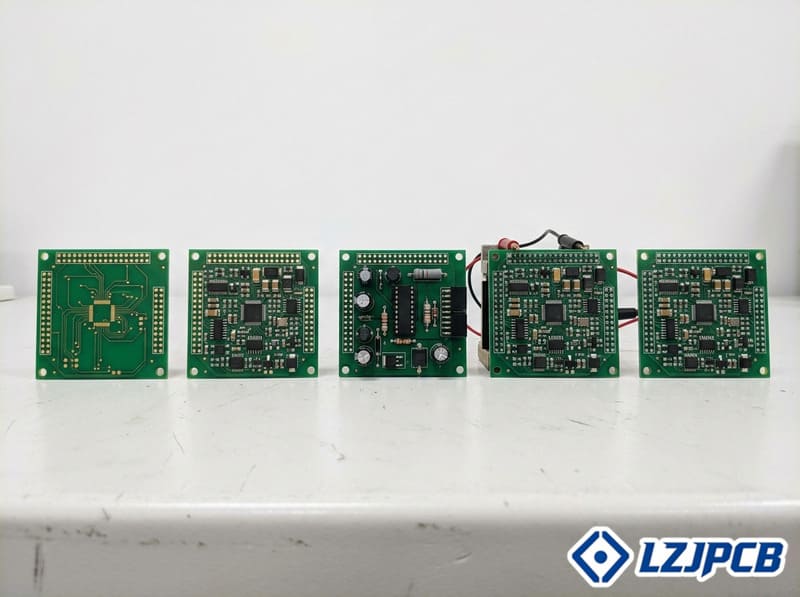
Understanding realistic lead times helps you plan your product development schedule more effectively. At LZJPCB, we work closely with clients to establish clear expectations and identify opportunities to optimize the production timeline without compromising quality. Let me share our experience with PCB assembly lead times across different scenarios.
Realistic PCB Assembly Lead Times Across Production Scenarios
PCB assembly lead times vary significantly based on multiple factors. Drawing from our production data at LZJPCB, I’ve compiled comprehensive information on typical timeframes and what influences them.
| Production Scenario | Typical Lead Time | Express Option | Key Influencing Factors | Planning Buffer |
|---|---|---|---|---|
| Prototype (1-10 units) | 7-10 business days | 1-3 days (100-200% premium) | Component availability, design complexity | Add 50% for first-time projects |
| Small Batch (11-100) | 10-15 business days | 3-7 days (50-100% premium) | Component availability, testing requirements | Add 30% for complex boards |
| Medium Production (101-500) | 15-20 business days | 7-10 days (30-50% premium) | Production scheduling, component lead times | Add 2 weeks for full turnkey service |
| Volume Production (500+) | 3-8 weeks | 2-4 weeks (20-40% premium) | Component lead times, capacity allocation | Add 1-2 weeks per 1000 units |
| High Reliability Projects | Add 5-10 days to above | Limited options | Additional testing, documentation requirements | Add 30% minimum |
Prototype Assembly Lead Times
For prototype PCB assembly, which typically involves 1-10 boards, the standard industry lead time ranges from 7-10 business days after receipt of all materials (PCBs and components). This timeline includes:
- Material review and preparation: 1-2 days
- Assembly setup and production: 2-3 days
- Inspection and testing: 1-2 days
- Final QC and packaging: 1 day
- Shipping: 1-2 days (varies by destination)
Express or rush services can reduce this timeline to as little as 1-3 business days, but typically incur premiums of 100-200% over standard pricing. These accelerated timelines require dedicated resources and often involve overtime labor.
Key factors that can extend prototype lead times include:
- Component availability: Especially for specialized or obsolete parts
- Design complexity: Boards with fine pitch components, dense layouts, or mixed technologies require more setup time
- Special processes: Requirements like conformal coating or special cleaning add time
- First time production: New customers or designs typically require additional review time
At LZJPCB, we’ve developed a dedicated prototype line that allows us to offer consistent 5-7 day standard turnaround for most prototype projects, with rush options available for urgent development needs.
Small Batch Production Lead Times
Small batch production (11-100 units) typically requires 10-15 business days. This extended timeline compared to prototypes reflects the need for:
- More comprehensive setup procedures: Ensuring consistency across the batch
- Additional testing procedures: Often including more rigorous electrical testing
- Component procurement optimization: Sourcing appropriate quantities with proper documentation
- Quality control sampling: Statistical process control implementation
Express options for small batch production typically reduce lead times to 5-10 business days but add 50-100% to the cost. The premium decreases as batch size increases because fixed costs can be amortized across more units.
For small batch production, component lead times become more significant. While prototype quantities can often use stock components, even small production runs may require special ordering, especially in today’s challenging supply chain environment.
Medium Production Lead Times
Medium production runs (101-500 units) typically require 15-20 business days, with the timeline including:
- Production planning and scheduling: 2-3 days
- Component procurement and verification: 5-10 days (highly variable)
- Production setup: 1-2 days
- Assembly production: 3-5 days
- Testing and quality control: 2-4 days
- Packaging and shipping preparation: 1-2 days
At this volume level, production efficiency becomes more important, and additional setup time is often invested to optimize the process for consistent quality across the run.
Component lead times become a critical factor at this volume level. While many standard components remain readily available in these quantities, specialized components may require 4-16 weeks for procurement. This makes early BOM (Bill of Materials) review essential for realistic timeline planning.
Volume Production Lead Times
For volume production (500+ units), lead times typically extend to 3-8 weeks, primarily due to:
- Component lead times: Major factor, especially for specialized or high demand parts
- Production capacity scheduling: Allocating appropriate line time for larger runs
- Process optimization: Additional setup time to maximize efficiency and yield
- More extensive testing protocols: Often including automated testing systems
- Staged delivery planning: Coordination of packaging and shipping logistics
For high volume production, the assembly process itself is often not the limiting factor component procurement typically drives the timeline. At LZJPCB, we implement strategic component purchasing programs for volume clients to minimize this impact, including:
- Forecasting systems: Working with clients to anticipate future requirements
- Buffer stock programs: Maintaining inventory of critical components
- Alternative sourcing strategies: Qualifying multiple vendors for key parts
- Just in time delivery coordination: Synchronizing component arrivals with production needs
Specialized Production Scenarios
Certain specialized production scenarios have unique timeline considerations:
High Reliability Applications (medical, aerospace, automotive safety systems)
- Add 5-10 additional days to standard timelines
- Extended testing and documentation requirements
- Additional inspection steps and quality verification
- Often require component traceability documentation
Mixed Technology Boards (combining SMT and through hole)
- Add 2-5 days to standard timelines
- Multiple process steps requiring different equipment setups
- Additional handling between process stages
Complex Testing Requirements
- Add 3-7 days for custom functional test development
- Add 1-3 days for ICT fixture creation and validation
- Extended testing time for comprehensive coverage
Lead Time Optimization Strategies
Based on our experience managing thousands of PCB assembly projects, these strategies offer the best opportunities to minimize lead times without compromising quality:
- Early BOM review: Submit component lists for review before finalizing the design to identify potential long-lead items
- Phased deliveries: For larger projects, structure orders to receive initial units earlier while volume production continues
- Design for availability: Select components with multiple sourcing options when possible
- Advance component procurement: Initiate purchasing of long lead components while PCB design is being finalized
- Approved substitute strategy: Pre approve alternative components for key items to provide flexibility in procurement
- Kitting separation: Consider providing critical components yourself while allowing the assembler to source standard parts
- Design freeze discipline: Minimize changes after production has been scheduled to avoid restarting the timeline
For a recent client launching a new industrial IoT product, we implemented a staggered production approach that delivered the first 100 units for field testing within 2 weeks, while the remaining 2,000 units were completed over the following 6 weeks. This approach allowed them to begin deployment activities without waiting for the complete order.
Factors That Commonly Extend Lead Times
Several factors frequently cause unexpected extensions to PCB assembly lead times:
- Incomplete or unclear assembly documentation: Assembly drawings with missing information or ambiguous instructions
- Component substitution approvals: Delays in approving alternative components when primary choices are unavailable
- Design changes after production start: Modifications that require rework or new setups
- Failed testing requiring troubleshooting: Unexpected issues discovered during electrical testing
- Quality holds pending customer review: Issues requiring client approval before proceeding
- Incomplete Design for Manufacturability (DFM): Designs requiring modifications to be manufacturable
At LZJPCB, we’ve found that comprehensive pre production review processes can identify and address many of these issues before they impact the timeline. Our standard procedures include documentation review, DFM analysis, and component availability verification before finalizing production schedules.
Supply Chain Considerations
The global electronics supply chain significantly impacts PCB assembly lead times. Since 2020, we’ve seen unprecedented volatility in component availability, with some standard parts extending from 2 week to 40+ week lead times.
Key supply chain factors to consider when planning PCB assembly projects include:
- Semiconductor allocations: Many chipmakers continue to operate under allocation systems that limit availability
- Regional manufacturing disruptions: Local issues can have global impacts on specialized component categories
- Transportation delays: International shipping timelines remain less predictable than pre 2020 norms
- Inventory strategies: Distributors and manufacturers have adjusted stocking approaches, often carrying less inventory
To mitigate these challenges, we recommend:
- Building additional buffer time into project schedules
- Considering alternative component options during the design phase
- Working with assembly partners who have robust supply chain resources
- For critical projects, approving component pre purchasing even before design finalization
Communication Expectations
Clear communication significantly impacts actual vs. perceived lead times. At LZJPCB, we’ve implemented structured communication protocols that include:
- Order confirmation: Within 24 hours, confirming receipt and initial review
- Production schedule confirmation: Within 72 hours, providing projected completion date
- Component status updates: Weekly reports on any critical path items
- Production milestone notifications: Updates when boards enter key production stages
- Quality resolution communications: Same day notification of any quality issues requiring client input
- Shipping confirmation: Same day notification when orders ship, including tracking information
This communication structure helps clients maintain visibility throughout the process and adjust their downstream planning as needed based on current information.
How To Select The Right PCB Assembly Partner
Choosing the right PCB assembly partner involves evaluating multiple factors beyond just price and lead time. Based on my experience working with diverse clients at LZJPCB, I’ve developed a comprehensive framework for this critical decision process.
Evaluating PCB Assembly Partners: A Comprehensive Framework
Finding the ideal PCB assembly partner requires a systematic evaluation across multiple dimensions. This framework provides structure for that assessment process.
| Evaluation Criterion | What To Look For | Red Flags | Verification Method |
|---|---|---|---|
| Manufacturing Capabilities | Equipment list, component size ranges, technology types supported | Vague specifications, outdated equipment | Facility tour, sample evaluation |
| Quality Systems | Certifications, inspection equipment, documented processes | Missing certifications, manual-only inspection | Certification verification, quality metrics review |
| Technical Expertise | Engineering support, DFM process, technical staff qualifications | No engineering support, minimal DFM feedback | Technical discussion, reference checks |
| Supply Chain Capabilities | Component sourcing network, inventory management, obsolescence management | Limited supplier relationships, no component engineering support | Supplier list review, component sourcing test |
| Communication Systems | Online portals, regular updates, responsive contacts | Delayed responses, unclear communication channels | Communication test during quoting process |
| Financial Stability | Years in business, facility investment, client diversity | Minimal capital equipment, high staff turnover | Financial references, facility evaluation |
| Production Flexibility | Volume range capabilities, mix of customers, scheduling systems | Focused only on high or low volumes | Discussion of capacity allocation methodology |
| Industry Experience | Similar products manufactured, industry specific certifications | No experience in your product category | Reference checks with similar customers |
| Geographic Considerations | Location, shipping capabilities, support hours | Inconvenient time zones without coverage | Communication test during different hours |
| Value Added Services | Design support, testing capabilities, fulfillment services | Limited services beyond basic assembly | Service capabilities demonstration |
Manufacturing Capabilities Assessment
Evaluating a potential partner’s manufacturing capabilities should go beyond marketing claims to verify they can handle your specific requirements:
-
Equipment specifications: Verify the assembler has appropriate equipment for your component types and sizes. For fine pitch components (0.4mm pitch or less), high precision placement machines are essential. For BGAs and QFNs, advanced reflow systems with controlled profiles are necessary.
-
Technology mix: Confirm their capabilities match your requirements for SMT, through hole, or mixed technology. Some assemblers specialize in one technology and outsource others, which can extend lead times and reduce quality control.
-
Capacity and utilization: Understand their current capacity utilization. An assembler running at 95%+ capacity may struggle with schedule flexibility or rush orders. At LZJPCB, we maintain approximately 20% capacity reserve specifically to accommodate customer schedule changes and urgent requirements.
-
Facility organization: The physical organization of an assembly facility provides insights into their operational discipline. Look for:
- Clean, well organized production areas
- Proper ESD protection measures
- Logical workflow patterns
- Appropriate environmental controls
- Material handling systems
- Clear work instructions at stations
I recommend requesting a virtual or in person facility tour before committing to a manufacturing partner. During this tour, pay attention to both equipment capabilities and operational organization.
Quality Systems Evaluation
Quality capabilities differentiate excellent assemblers from merely adequate ones:
-
Certifications: Verify relevant certifications are current and appropriate for your industry:
- ISO 9001: Basic quality management (minimum expectation)
- ISO 13485: Medical device quality management
- AS9100: Aerospace quality management
- IATF 16949: Automotive quality management
- IPC-A-610: Acceptability of electronic assemblies
-
Inspection technology: Confirm appropriate inspection systems for your product complexity:
- Automated Optical Inspection (AOI): Essential for all production
- X-ray inspection: Critical for BGA and bottom terminated components
- Conformal coating inspection: For coated assemblies
- 3D inspection capability: For complex assemblies
-
Testing capabilities: Verify testing systems match your requirements:
- Flying probe testing: Good for prototypes and small runs
- In circuit testing: Efficient for larger volumes
- Functional testing: Essential for system verification
- Boundary scan/JTAG testing: For complex digital systems
-
Traceability systems: Confirm appropriate tracking for your needs:
- Component level traceability
- Process parameter recording
- Operator identification
- Test result storage and retrieval
-
Quality metrics: Request quality performance data:
- First pass yield rates
- Defect rates by category
- Customer return rates
- Corrective action statistics
At LZJPCB, we maintain comprehensive quality records that we share with clients during partner evaluations. These provide concrete evidence of our quality capabilities beyond just certification claims.
Technical Expertise Assessment
The technical knowledge of an assembly partner significantly impacts both product quality and development efficiency:
-
Design for Manufacturing (DFM) capabilities: Evaluate the depth and quality of DFM feedback. Superior assemblers provide specific, actionable recommendations rather than generic guidelines.
-
Engineering support: Assess the availability and quality of engineering assistance:
- Component engineering expertise
- Thermal management knowledge
- Signal integrity understanding
- Process optimization capability
-
Problem solving approach: Discuss how they handle technical challenges. The best partners demonstrate systematic troubleshooting processes rather than trial and error approaches.
-
Technical staff qualifications: Inquire about the training and experience of key technical personnel:
- Engineering degrees and certifications
- Years of relevant experience
- Ongoing technical training programs
- Specialization in relevant technologies
-
Documentation quality: Review sample documentation they provide, looking for:
- Clear, detailed work instructions
- Comprehensive test procedures
- Thorough reporting
- Professional presentation
During partner evaluation at LZJPCB, we encourage technical discussions between our engineers and the client’s design team. These conversations help establish mutual understanding and demonstrate our technical capabilities beyond what marketing materials can convey.
Supply Chain Capabilities
In today’s challenging component market, supply chain capabilities are increasingly critical:
-
Component sourcing network: Evaluate their relationships with distributors and manufacturers:
- Authorized distributor relationships
- Direct manufacturer connections
- Broker network for obsolete components
- Geographic diversity of suppliers
-
Inventory management: Assess their approach to component management:
- Storage facilities and conditions
- ESD protection measures
- Moisture sensitive component handling
- First in first out (FIFO) discipline
- Lot traceability systems
-
Obsolescence management: Understand their strategies for handling component end of life:
- Advance notification systems
- Last time buy planning
- Alternative component qualification
- Redesign support
-
Cost management: Evaluate their component cost optimization approaches:
- Volume purchasing strategies
- Market timing expertise
- Alternative sourcing capabilities
- Cost transparency in quotations
For critical projects, I recommend testing a potential partner’s sourcing capabilities by requesting quotes for boards containing some challenging components. Their response to this challenge reveals much about their supply chain resources.
Communication Systems
Effective communication is essential for successful manufacturing partnerships:
-
Project management systems: Evaluate their approach to managing projects:
- Dedicated project managers
- Online project tracking tools
- Structured milestone communications
- Escalation procedures for issues
-
Responsiveness: Test their communication timeliness:
- Quote response time
- Technical query response time
- Issue resolution timeframes
- After-hours contact availability
-
Communication clarity: Assess the quality of their communications:
- Technical accuracy
- Appropriate detail level
- Professional presentation
- Language proficiency relevant to your needs
-
Documentation systems: Review their approach to documentation:
- Centralized document management
- Version control procedures
- Accessibility for clients
- Security and confidentiality measures
At LZJPCB, we’ve found that communication issues are often early indicators of deeper partnership problems. A structured evaluation of communication capabilities during the partner selection process helps prevent these issues.
Financial Stability
A partner’s financial health directly impacts their ability to deliver consistent quality and service:
-
Business longevity: Consider years in operation and growth trajectory.
-
Capital investment: Evaluate recent equipment purchases and facility improvements.
-
Customer diversity: Assess their dependency on a few large customers, which could create risk if those relationships change.
-
Growth management: Understand how they’re managing growth—too rapid expansion sometimes compromises quality and service.
-
Credit terms and financial arrangements: Evaluate payment terms and financial flexibility.
While direct financial information may not be available, indirect indicators like facility condition, equipment modernization, and staff stability provide insights into financial health.
Production Flexibility
The ability to accommodate varying requirements is valuable for long term partnerships:
-
Volume scalability: Confirm they can support your expected growth without compromising quality or service.
-
Mix flexibility: Evaluate their ability to handle both prototype and production work efficiently.
-
Schedule adaptability: Assess their responsiveness to timeline changes and urgent requirements.
-
Design change management: Understand their process for incorporating engineering changes during production.
-
New product introduction (NPI) process: Review their approach to ramping new products from prototype to production.
At LZJPCB, we’ve structured our production systems to accommodate varying customer needs, with dedicated lines for prototype, small batch, and volume production. This approach ensures appropriate processes for each production type while maintaining scheduling flexibility.
Industry Experience
Experience in your specific industry provides valuable expertise and reduced learning curves:
-
Similar product experience: Verify they’ve produced boards with similar technologies and requirements to yours.
-
Industry specific certifications: Confirm they hold appropriate certifications for your industry (medical, automotive, aerospace, etc.).
-
Regulatory familiarity: Assess their understanding of regulations affecting your products (RoHS, REACH, conflict minerals, etc.).
-
Customer references: Request references from clients in similar industries with comparable requirements.
-
Industry participation: Consider their involvement in industry associations and standards organizations relevant to your field.
Industry specific experience reduces risk and accelerates problem solving when issues arise. An assembler familiar with your product category will anticipate challenges and apply relevant lessons from previous projects.
Geographic Considerations
Location impacts various aspects of the manufacturing relationship:
-
Communication convenience: Consider time zone compatibility for regular communications.
-
Shipping logistics: Evaluate shipping costs, timeframes, and import/export requirements.
-
Visit practicality: Assess the feasibility of periodic site visits for important production runs or issue resolution.
-
Local regulations: Understand how local regulations might affect production (environmental, labor, trade).
-
Natural disaster risk: Consider regional risks that might disrupt production (earthquakes, flooding, political instability).
While proximity offers advantages for communication and logistics, technology enables effective remote collaboration with geographically distant partners. The key is establishing appropriate communication protocols that accommodate any time zone differences.
Value Added Services
Additional services beyond basic assembly can enhance the partnership value:
-
Design services: Evaluate capabilities for schematic capture, PCB layout, or design review.
-
Testing development: Assess their ability to develop custom test solutions for your products.
-
Box build capabilities: Consider whether they can perform higher level assembly beyond the PCBA.
-
Fulfillment services: Evaluate kitting, packaging, and direct shipment capabilities if relevant.
-
Repair and warranty support: Understand their approach to handling returns and repairs.
-
Sustaining engineering: Consider their ability to support products through their lifecycle, including obsolescence management.
These value added services can simplify your supply chain and reduce management overhead by consolidating more functions with a single partner.
Making The Final Selection
After evaluating potential partners across these criteria, the final selection should consider:
-
Alignment with your specific needs: Prioritize factors most critical for your products and business model.
-
Total value assessment: Consider the complete value proposition beyond just unit pricing.
-
Relationship potential: Evaluate the potential for a productive long term partnership based on cultural fit and communication quality.
-
Risk assessment: Consider risk factors specific to each potential partner and your risk tolerance.
-
Trial project: When possible, start with a smaller project before committing to high volume production.
At LZJPCB, we encourage potential clients to start with prototype or small batch projects that allow both parties to evaluate the working relationship before committing to larger programs. This approach reduces risk and builds mutual understanding that benefits future projects.
Conclusion
Choosing a reliable PCB assembly partner requires evaluating manufacturing capabilities, quality systems, technical expertise, supply chain resources, and communication effectiveness. Assembly costs are influenced by board complexity, component selection, volume, testing requirements, and turnaround time, with economies of scale typically beginning at 500-1000 units. Lead times range from 1-3 days for rush prototypes to 3-8 weeks for volume production, depending on component availability, design complexity, and quality requirements. The right partnership improves product quality, reduces time to market, and provides valuable technical support throughout your product lifecycle.