Skip to content
Small batch PCB assembly orders often get pushed aside for bigger clients. You might face high minimum order requirements, inflated per unit costs, or quality compromises when trying to find a manufacturer for your limited production needs.
The best PCB assembly manufacturers for small batches offer flexible MOQs under 50 pieces, maintain full quality inspection processes even for small runs, provide component sourcing assistance, deliver 1-3 week turnarounds, and have specific experience in your industry vertical while keeping pricing transparent.
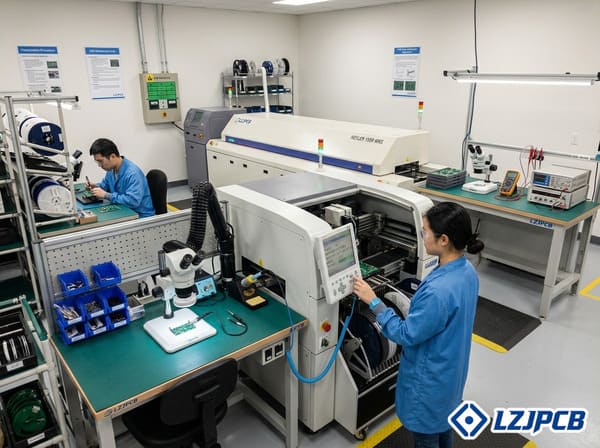
Finding the right manufacturing partner for small batch PCB assembly can make or break your product development timeline. Last month, I worked with a German automation company that had wasted three months with a manufacturer who kept prioritizing larger clients over their 25 piece prototype run. When they switched to our small batch service, we delivered their assembled boards in just 8 days. Their production director told me this single change accelerated their product launch by nearly a quarter.
Where to Find High Quality PCB Assembly Manufacturers Near Me?
You’ve got a tight deadline for your PCB project, but local assembly shops quote ridiculous prices or can’t handle your technical requirements. The uncertainty of sending your design to a distant manufacturer feels like a major risk.
Quality PCB assembly manufacturers can be found through industry specific online directories like Thomasnet, PCB Directory, or ECIAauthorized.com. Regional electronics manufacturing associations, LinkedIn industry groups, and recommendations from other hardware developers in your area can also lead to qualified partners.
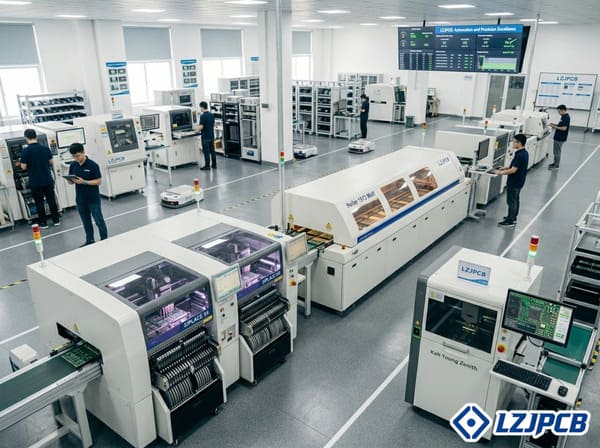
The concept of "near me" has changed dramatically in PCB manufacturing. I regularly work with clients who initially wanted a manufacturer within driving distance but discovered that modern communication tools and shipping logistics have largely eliminated the advantages of pure geographic proximity.
What "Local" Really Means in PCB Assembly
The definition of "local" in electronics manufacturing has evolved beyond simple location. A truly "local" manufacturing partner should provide:
Communication Accessibility
Good manufacturers now offer video production line tours, real time chat support, and cloud based project tracking that make overseas facilities feel as accessible as cross town operations. When one of our medical device clients in Boston needed to witness a critical first article inspection, we set up a live video stream of our testing process rather than requiring an international flight.
Time Zone Alignment
Having at least 4 hours of overlapping business hours enables same day problem resolution. Our project managers in different time zones ensure someone is always available during client business hours, which proved critical when a last minute design change came in from our German automotive client.
Cultural Compatibility
This includes language proficiency, similar business practices, and aligned quality expectations. Our engineering team includes staff educated in North America, Europe and Asia precisely to bridge these cultural gaps and ensure nothing gets lost in translation.
Regulatory Understanding
A manufacturer familiar with your market’s compliance requirements (UL, CE, RoHS, etc.) becomes effectively more "local" than a geographically closer option without this knowledge. When a client needed help navigating European EMC requirements, our compliance team provided guidance that saved them months of regulatory work.
The right manufacturing partner might be 10,000 miles away but feel more accessible than a shop across town that lacks online visibility into your project status or struggles with your technical requirements. I’ve found that responsiveness, technical alignment, and communication systems matter far more than physical distance in today’s connected manufacturing ecosystem.
Where Can I Find a Contract Manufacturer for Surface Mount Technology?
Surface mount technology requires specialized equipment and skilled technicians. You’re worried about finding a manufacturer who can handle fine pitch components1 and complex boards without charging premium prices for your small volume needs.
Find SMT contract manufacturers through electronics manufacturing services (EMS) directories like IPC Connect, SMTA member listings, or industry platforms such as EMSNow. Technical trade shows like APEX EXPO and productronica feature qualified vendors, while engineering forums on Reddit and EEVblog contain real user experiences with specific manufacturers.
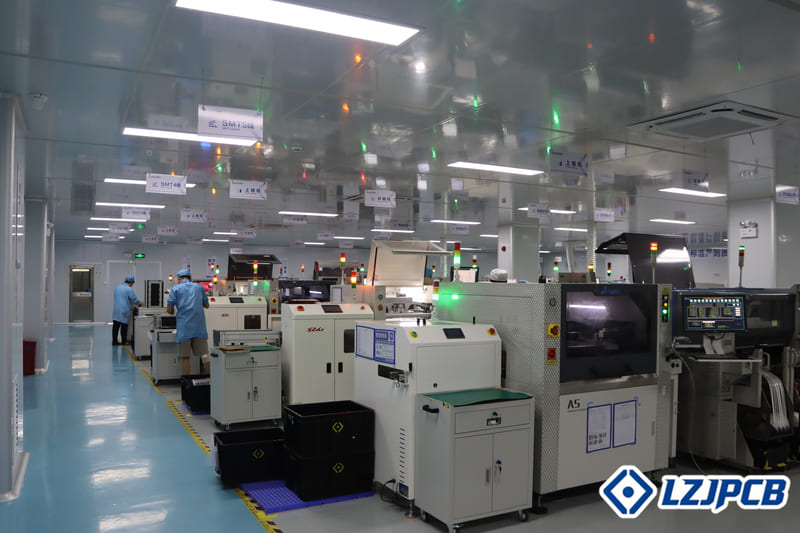
Surface mount technology spans a wide range of capabilities, and finding the right match for your project requires looking beyond marketing claims. From my experience managing SMT production lines, I can tell you that the difference between a good and great SMT manufacturer often comes down to specific equipment capabilities and process controls that aren’t immediately obvious.
Critical SMT Manufacturer Selection Criteria
When evaluating SMT manufacturers for your project, look beyond basic claims of "we do SMT" and dig into these specific capabilities:
Component Size Handling
The smallest components a manufacturer can reliably place directly impacts your design freedom. At LZJPCB, we’ve invested in advanced pick and place machines that can handle components down to 01005 (0.4mm × 0.2mm) size. This became crucial for a recent IoT client whose design required ultra compact sensors that their previous manufacturer couldn’t place.
Fine Pitch Capability
The minimum lead spacing a manufacturer can reliably solder determines which modern processors and memory components you can use. Our equipment handles down to 0.3mm pitch BGA components, which allowed an industrial controls manufacturer to upgrade their processor without redesigning their entire board.
Mixed Technology Handling
Many modern designs combine SMT with through hole components, requiring manufacturers to master both processes. When a medical device client needed traditional through hole connectors alongside tiny SMT components, our mixed technology line allowed single vendor production rather than splitting the job between manufacturers.
Inspection Technology Depth
SMT quality depends heavily on inspection systems. Our multi stage process includes automated optical inspection (AOI)2, X-ray for hidden joints, and automated electrical testing. An automotive client discovered this difference when we caught intermittent BGA solder issues that their previous manufacturer’s limited inspection protocol had missed.
Industry Specific Experience
Different industries require different SMT approaches. Consumer electronics typically prioritize cost and density, while medical and automotive applications demand reliability and traceability. Our specialized teams for each industry vertical ensure compliance with standards like ISO 13485 for medical or IATF 16949 for automotive applications.
The right SMT partner will not only have the technical capabilities for your current project but will also provide input to optimize your design for manufacturability. When an industrial automation client came to us with a design that used expensive, hard to source components, our engineering team suggested alternative parts that reduced both cost and lead time without compromising performance—something they told us their previous assembly house never bothered to do.
Conclusion
Finding the right PCB assembly manufacturer for small batches requires focusing on specialized equipment capabilities, quality inspection processes, component sourcing flexibility, reasonable turnaround times, and relevant industry experience—not just geographic proximity or general manufacturing claims. The best partners will treat your small order with the same attention and quality processes as their larger production runs.