Skip to content
Finding reliable information about PCB manufacturing giants can be overwhelming. With constantly changing market positions and vague corporate communications, electronics professionals struggle to identify the true industry leaders for their sourcing decisions.
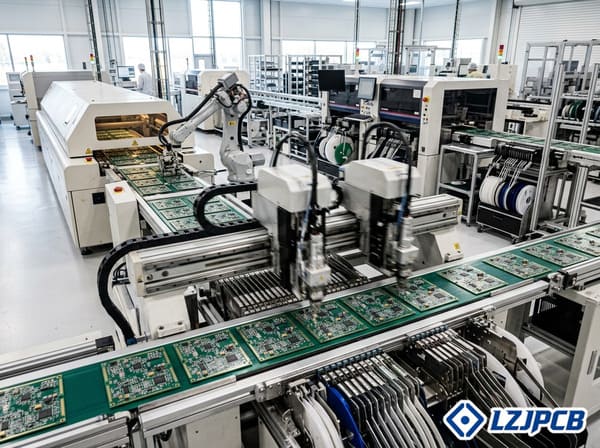
The largest PCB manufacturer in the world is Zhen Ding Technology Holding Limited, headquartered in Taiwan with extensive production facilities in China. This company generates annual revenues exceeding $4 billion and specializes in high end multi layer PCBs for consumer electronics, telecommunications, and automotive industries.
Understanding who leads the global PCB manufacturing industry matters for several reasons. The scale of operation often dictates pricing power, technology access, and reliability for major electronics projects. As someone who works directly with PCB manufacturers daily, I’ve seen how the industry landscape affects everything from component availability to production schedules. Let’s explore the current state of global PCB manufacturing and what it means for your projects.
Which Country Produces the Most PCBs?
The global PCB production landscape has shifted dramatically over the past decades. Once dominated by Western nations, the manufacturing capacity has moved decisively eastward, creating challenges for companies seeking to diversify their supply chains1.
China produces approximately 50-55% of the world’s PCBs by volume, making it the largest PCB manufacturing country globally. Taiwan follows with about 20% of production, while South Korea, Japan, and other Southeast Asian countries comprise most of the remaining global capacity.
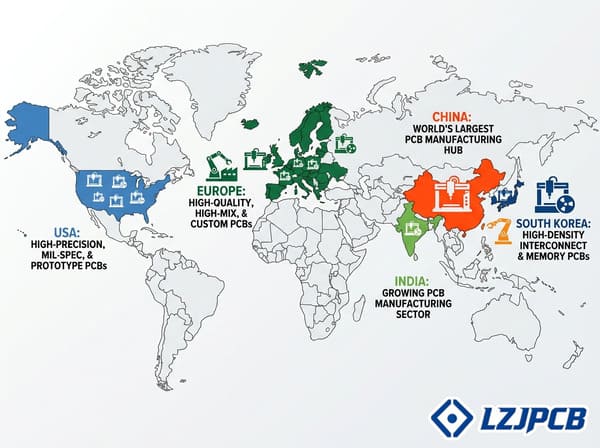
The dominance of China in PCB manufacturing2 didn’t happen overnight. I’ve watched this transformation unfold throughout my career in electronics manufacturing. Twenty years ago, the landscape looked completely different, with significant production capacity spread across North America, Europe, and Japan. Today, the concentration of manufacturing in China presents both opportunities and challenges for global electronics companies.
Regional PCB Manufacturing Distribution
China’s position as the leading PCB producer is built on several advantages that have allowed it to dominate the market. The country has developed comprehensive supply chains1 where raw materials, equipment, skilled labor, and supporting industries are all readily available within close proximity. This ecosystem creates efficiency that’s difficult for other regions to match.
| Region | Market Share | Key Strengths | Typical Products |
|---|---|---|---|
| China | 50-55% | Cost efficiency, scalability, integrated supply chain | Full range from basic to advanced PCBs |
| Taiwan | ~20% | Technical expertise, high reliability production | High layer count, HDI PCBs |
| South Korea | ~10% | Advanced technology, automotive specialization | Flexible circuits, automotive PCBs |
| Japan | ~5% | Precision manufacturing, specialized materials | High frequency, specialized PCBs |
| Southeast Asia | ~5% | Growing capacity, competitive labor costs | Consumer electronics PCBs |
| North America | ~5% | Military/aerospace focus, R&D | High reliability, specialized PCBs |
| Europe | ~3% | Automotive, industrial applications | High performance industrial PCBs |
While China maintains its manufacturing dominance, recent global events have prompted many companies to consider geographical diversification. Vietnam, Thailand, and Malaysia are seeing increased investment in PCB manufacturing2 capacity. I’ve personally observed several of our clients adopting a "China plus one" strategy, maintaining their primary manufacturing in China while developing secondary capacity elsewhere to mitigate supply chain risks.
How Do I Get a Quote for Custom PCB Production?
Getting accurate PCB quotes can be frustrating. Manufacturers often ask for complex technical details you might not have ready, and comparing inconsistent quote formats across suppliers feels like comparing apples to oranges.
To get a PCB production quote, prepare your Gerber files, BOM (Bill of Materials), design specifications (layer count, board dimensions, material requirements), quantity needed, and desired lead time. Submit these through a manufacturer’s website, email, or quote form and expect responses within 24-48 hours.
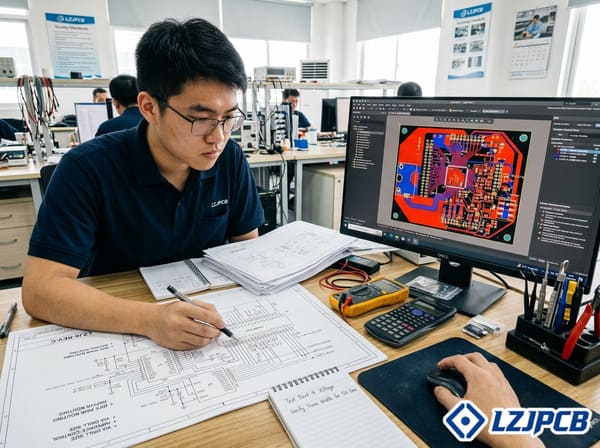
The quoting process is often the first interaction you’ll have with a potential PCB manufacturing partner, and it can reveal much about how they operate. In my years at LZJPCB, I’ve noticed that the most successful projects typically start with a thorough, well organized quoting process.
Optimizing Your PCB Quote Request
Getting an accurate quote requires providing complete information while also understanding how different manufacturers structure their pricing. Some manufacturers charge primarily by square inch or square centimeter of board area, while others have more complex algorithms that account for design complexity.
| Information to Include | Why It Matters | Tips for Better Quotes |
|---|---|---|
| Gerber Files | These define the actual board layout | Ensure they’re complete and follow industry standards |
| Board Dimensions | Directly impacts material costs | Consider panelization for smaller boards |
| Layer Count | Major factor in manufacturing complexity | Don’t over specify layers beyond what’s needed |
| Material Type | Affects performance and cost | FR4 is standard; specify alternatives only if needed |
| Copper Weight | Impacts current capacity and heat dissipation | 1oz is typical; specify heavier copper only when required |
| Surface Finish | Affects solderability and shelf life | HASL is economical; ENIG offers better performance |
| Solder Mask/Silkscreen | Aesthetic and functional considerations | Standard colors often cost less than specialty options |
| Quantity | Affects per unit pricing | Request quotes at multiple volume breaks |
| Lead Time | Rush orders typically incur premiums | Plan ahead when possible for standard lead times |
One strategy I often recommend to clients is to request quotes with several different quantity points. The price breaks can be surprising, sometimes doubling your order might increase the total cost by only 20-30%. This information helps with inventory planning and can reduce your overall costs over time.
I’ve also found that building relationships with manufacturers pays dividends during the quoting process. Once a manufacturer understands your typical requirements and quality expectations, quotes can become more streamlined and accurate. At LZJPCB, we maintain detailed client profiles to expedite the quoting process for repeat customers.
Which Companies Offer Quick Turn PCB Prototyping Services?
Hardware development timelines are constantly compressed. When you need PCB prototypes3 urgently, sorting through confusing lead time claims and reliability concerns can waste precious development time.
Companies offering quick turn PCB prototyping services include LZJPCB, JLCPCB, PCBWay, Sierra Circuits, and Advanced Circuits. These manufacturers can typically deliver prototype PCBs in 24-72 hours, with varying capabilities for layer count, board size, and specialized features.
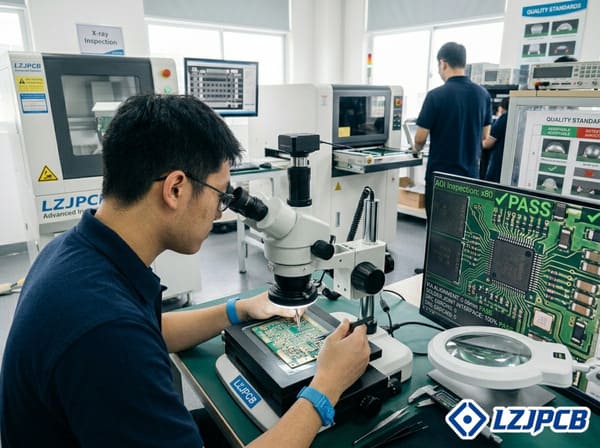
The rapid prototyping landscape has transformed dramatically in the last decade. I remember when a two week turnaround was considered "quick" for prototype PCBs. Today, the industry has evolved to meet the accelerated pace of hardware development, with manufacturers specializing in incredibly fast turnarounds without sacrificing quality.
Comparing Quick Turn PCB Prototyping Services
Not all quick turn services are created equal. The definition of "quick" varies significantly between manufacturers, as do capabilities and quality levels. Working with hundreds of clients over the years, I’ve seen how choosing the right prototyping partner can significantly impact development timelines.
| Company | Typical Turnaround | Max Layer Support | Special Capabilities | Geographic Focus |
|---|---|---|---|---|
| LZJPCB | 24-48 hours | 40+ layers | HDI, flex rigid, advanced materials | Global, strong in Asia/Europe |
| JLCPCB | 24 hours | 8 layers | Low cost, integrated component sourcing | Global |
| PCBWay | 24-72 hours | 16 layers | 3D printing integration, flexible PCBs | Global |
| Sierra Circuits | 24 hours | 40+ layers | RF, microwave, high speed designs | North America |
| Advanced Circuits | Same day | 24+ layers | Aerospace/defense, medical grade | North America |
When evaluating quick turn manufacturers, consider more than just the advertised turnaround time. The clock typically starts after design approval, not from initial submission. Some manufacturers offer expedited design review processes4 that can save significant time in the overall development cycle.
Another consideration is the manufacturer’s ability to identify and address potential design issues before production. The best quick turn providers maintain strong engineering teams that can spot problems that might cause delays or failures. At LZJPCB, we’ve invested heavily in automated design rule checking5 systems that can identify issues within minutes of submission, allowing for quick corrections before production begins.
How to Choose a Reliable Printed Circuit Board Manufacturer?
Selecting a PCB manufacturer1 feels like a gamble. With thousands of options globally and technical specifications that are difficult to verify, many engineers struggle to confidently choose a partner they can trust for critical projects.
Choose a reliable PCB manufacturer by evaluating their quality certifications (ISO 9001, IPC compliance), manufacturing capabilities, customer reviews, communication quality, and financial stability. Request sample boards to assess quality directly, and start with smaller orders before committing to large production runs.
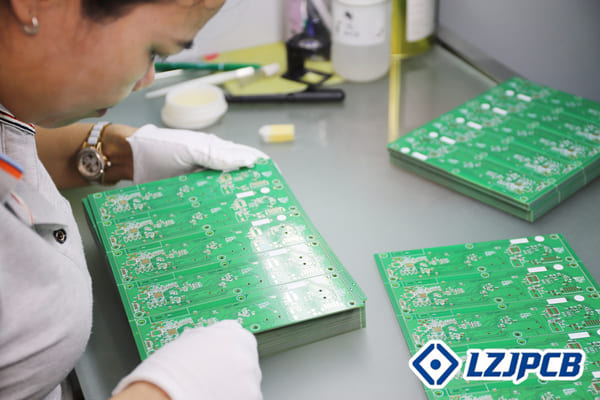
After two decades in the PCB manufacturing industry, I’ve seen countless companies make costly mistakes when selecting manufacturing partners. The right manufacturer isn’t necessarily the largest or the cheapest, it’s the one that best fits your specific project requirements and can consistently deliver quality results.
Creating a Manufacturer Evaluation Framework
Choosing a PCB manufacturer6 requires a systematic approach that considers multiple factors beyond just price and delivery speed. I recommend developing a scoring system that weights different attributes based on your specific project priorities.
| Evaluation Criteria | What to Look For | Assessment Methods |
|---|---|---|
| Technical Capabilities | Equipment list, layer count capacity, minimum feature sizes | Factory audits, capability statements, sample boards |
| Quality Systems | ISO certifications, IPC compliance, documented processes | Certificate verification, quality manual review |
| Experience with Similar Projects | Portfolio, client testimonials, industry focus | Reference checks, sample reviews, case studies |
| Financial Stability | Years in business, size, investment in equipment | Financial reports, facility photos, equipment age |
| Communication | Responsiveness, English proficiency, technical understanding | Initial interactions, technical queries, documentation clarity |
| Geographical Considerations | Location, shipping options, import requirements | Logistics evaluation, shipping time tests, customs experience |
| Environmental Compliance | RoHS, REACH compliance, waste management | Certification verification, on site assessment |
One effective approach I’ve seen clients use is a weighted scorecard. First, determine which factors are most important for your specific project. For example, if you’re developing medical devices, quality certifications7 and traceability might be weighted higher than price. If you’re creating consumer electronics with tight margins, cost efficiency might be the priority.
Beyond the formal evaluation, I always recommend trusting your instincts about the working relationship. The way a manufacturer handles your initial inquiries often reflects how they’ll manage your actual production. Do they ask intelligent questions about your design? Do they proactively suggest improvements? Are they transparent about limitations? These intangibles can be just as important as the technical capabilities on paper.
Conclusion
The global PCB manufacturing landscape is dominated by Asian companies like Zhen Ding Technology, with China producing over half the world’s PCBs. When selecting a manufacturer, focus on quality certifications, communication, and technical capabilities that match your specific project needs.
-
Learn effective strategies for diversifying supply chains to reduce risks and enhance resilience. ↩ ↩ ↩
-
Explore this link to understand the evolving trends in PCB manufacturing and how they impact global supply chains. ↩ ↩
-
This resource will guide you in selecting the best PCB prototypes tailored to your specific project requirements. ↩
-
Learn about effective design review processes that can significantly reduce your PCB development time. ↩
-
Discover how automated design rule checking can enhance your PCB production efficiency and quality. ↩
-
Understanding the key factors in selecting a PCB manufacturer can help ensure quality and reliability in your projects. ↩
-
Exploring the significance of quality certifications can help you make informed decisions about your manufacturing partners. ↩