

PCB Manufacturing Service
for Prototype and Production
LZJPCB is a professional PCB & PCBA manufacturer. Bare PCB manufacturing services cover HDI, High-Frequency, Rigid, Flex, Rigid-Flex, Multilayer, FR4, RF, Aluminum-based, Copper-based, and Ceramic PCBs. We provide turnkey PCB and PCBA services from Rapid prototyping to High Volume Fabrication. Every PCB passes AOI, X-Ray, with mass-production yields reaching 99.8%.
Also offer: PCB Assembly · Rapid Prototyping · Full Capabilities
PCB Manufacturing
Capabilities
LZJPCB specializes in complex PCB manufacturing, including HDI, blind and buried vias, microvias, back drilling, heavy copper, controlled impedance, and high-layer-count boards.
Rigid PCB Manufacturing Capabilities
| Manufacturing Item | LZJPCB Capabilities | Engineering Notes |
|---|---|---|
| PCB Layers | Prototype: 1–40 layers Production: 1–32 layers |
Supports double-sided, standard multilayer, and complex high-layer-count PCBs |
| PCB Materials | FR4, High Tg FR4, Rogers, PTFE, Nelco, halogen-free, RCC, metal-based, mixed materials, etc | Materials selected based on high-speed, high-frequency, thermal dissipation, and reliability requirements |
| Board Thickness | 0.2–17.5 mm | Supports ultra-thin, standard, and thick board structures |
| Maximum Board Size | 650 × 2000 mm | Suitable for industrial control, power supply, and large-size PCBs |
| Min Trace Width / Spacing | Down to 3 / 3 mil | Supports high-density routing and fine BGA fan-out designs |
| Min Mechanical Drill | Down to 0.10 mm | Actual capability depends on board thickness, copper thickness, and aspect ratio |
| Laser Microvia | Supported | Minimum hole size assessed by engineering based on HDI stack-up, materials, and copper thickness |
| HDI Structures | 1+N+1, 2+N+2, 3+N+3 | Supports laser microvias, blind vias, buried vias, and multiple lamination structures |
| Maximum Aspect Ratio | Up to 16:1 | Suitable for high-layer-count and thick-board PCBs |
| Maximum Copper Thickness | Up to 12 oz | Supports heavy copper PCBs, high-current, and power electronics applications |
| Impedance Control | Controllable to ±5% | Supports single-ended and differential impedance; assessment available for high-speed, high-frequency designs |
| Surface Finishes | HASL, Lead-Free HASL, ENIG, Immersion Silver, Immersion Tin, OSP, Plating Gold, Plating Tin, ENEPIG | Selected based on soldering, bonding, oxidation resistance, and reliability requirements |
| Via & Interconnect | Blind Via, Buried Via, Laser Microvia, Via-in-Pad, Filled Via | Suitable for HDI, BGA, and high-density interconnect designs |
| Advanced Processes | Back Drilling, Stepped Grooves, Edge Plating, Gold Fingers, Mixed Stack-Up, Embedded R/C | Supports high-speed, high-reliability, and special-structure PCBs |
| Special Substrates | Aluminum, Copper Core, Rogers / RF, Hybrid Material PCB | Meets thermal dissipation, high-frequency, and power electronics application needs |
| Production Stages | Prototype, NPI, Low-Volume, Mass Production | Continuous support from engineering prototype to stable mass production |
1 mil = 0.0254 mm · 1 oz copper ≈ 35 μm · All advanced specs subject to engineering confirmation before order acceptance.
Flex PCB Manufacturing Capabilities
| Manufacturing Item | LZJPCB Capabilities | Engineering Notes |
|---|---|---|
| PCB Types | FPC, Multilayer Flex, Rigid-Flex PCB | Supports flexible boards and combined rigid-flex structures |
| Layer Count | 1–8 layers | Supports single-sided, double-sided, and multilayer flexible circuits |
| Maximum Size | Up to 250 × 1000 mm | Large-size projects assessed by engineering based on materials and structure |
| FPC Board Thickness | 0.06–0.40 mm | Suitable for thin, lightweight, and space-constrained electronic products |
| Rigid-Flex Thickness | 0.25–6.0 mm | Final thickness determined by rigid area, flex area, and stack-up structure |
| Copper Thickness | 12 / 18 / 35 / 70 / 105 μm | Selected based on flexibility, current, and reliability requirements |
| FPC Min Trace / Spacing | Down to 0.03 / 0.03 mm | High-density projects require assessment based on copper thickness and structure |
| Rigid-Flex Min Trace / Spacing | Down to 0.10 / 0.10 mm | Determined by rigid-flex stack-up and design area |
| Min Mechanical Drill | Down to 0.10 mm | Suitable for through-holes and standard interconnect structures |
| Min Laser Via | Down to 0.05 mm | Supports high-density FPC microvia designs |
| Thickness Tolerance | Down to ±0.03 mm | Actual tolerance depends on materials, stiffeners, and stack-up structure |
| Impedance Control | 50Ω–120Ω | Supports flexible circuit designs with high-speed signal requirements |
| Coverlay | PI Coverlay and other flexible protective structures | Openings designed based on bend areas, pads, and trace structures |
| Stiffeners | PI, FR4, stainless steel, and other stiffeners | Reinforce mechanical strength at connectors, gold fingers, and component areas |
| Functional Materials | EMI Shielding Film, adhesive backing, local stiffening | Meets EMC, mounting, and structural requirements |
| Surface Finishes | ENIG, Immersion Silver, Immersion Tin, Plating Gold, Plating Tin, OSP, ENEPIG | Selected based on connection method, soldering, and reliability requirements |
| Special Processes | Gold Fingers, local stiffening, complex Coverlay, Rigid-Flex Lamination, precision profile forming | Supports connectors, sensors, and high-reliability flexible applications |
| Production Stages | Prototype, Low-Volume, Mass Production | Supports everything from design verification to continuous mass production |
All advanced specs subject to engineering confirmation before order acceptance.
Explore Our Custom PCB
Manufacturing Range
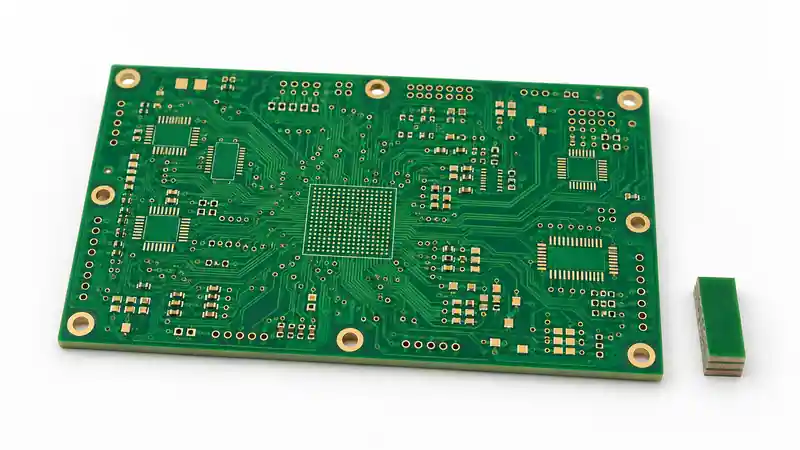
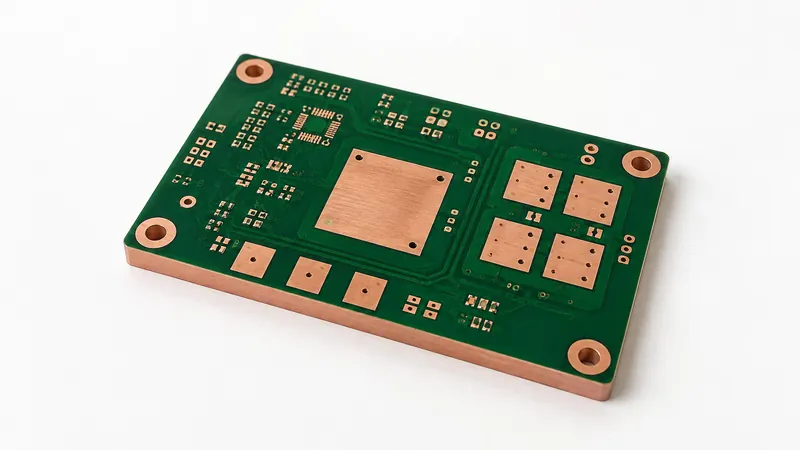
From standard FR4 multilayer circuit boards to advanced HDI and high-frequency substrates, we support the diverse needs of your PCB projects.
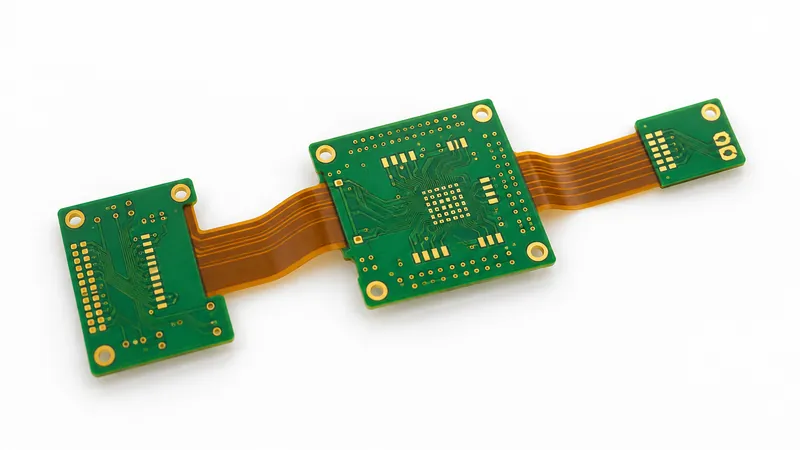
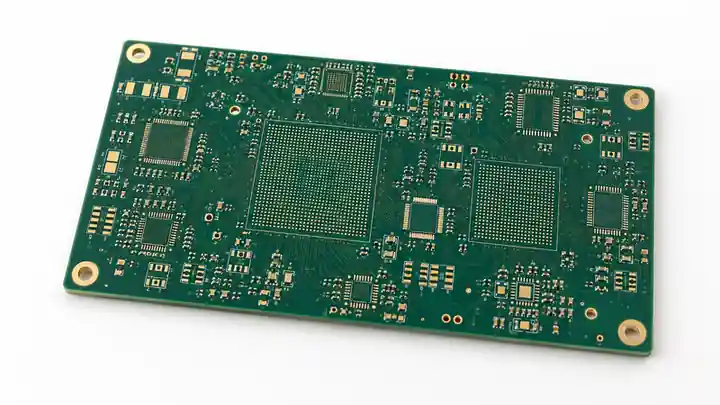
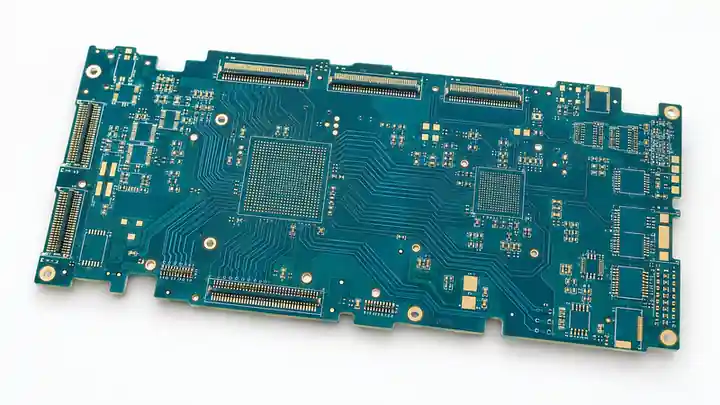
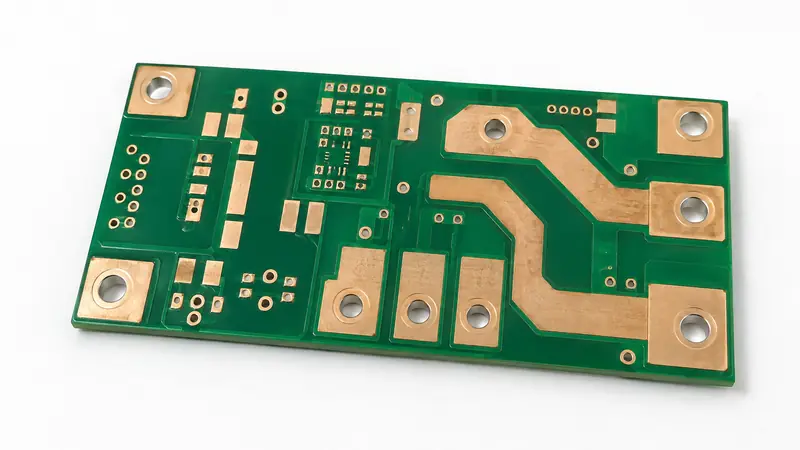
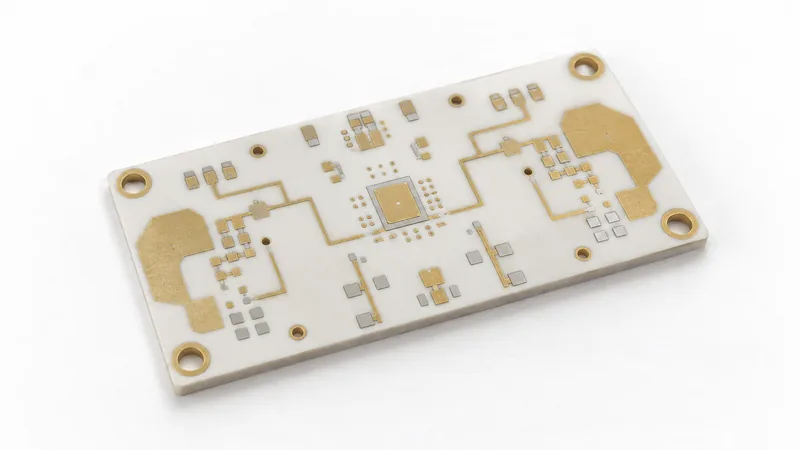
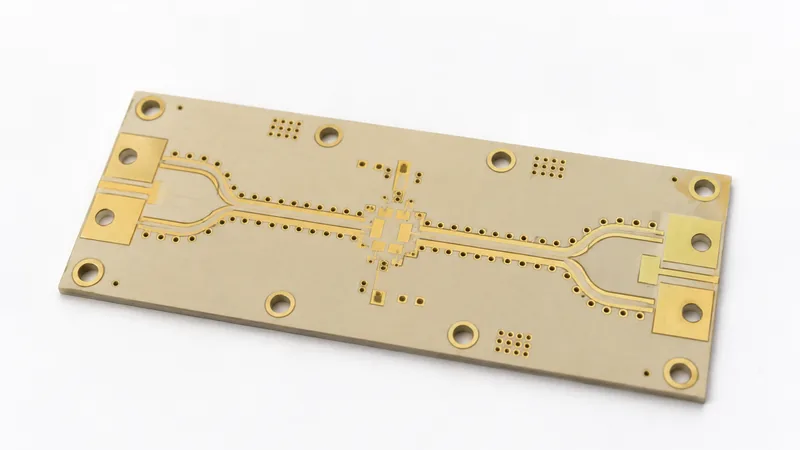
High-Frequency and RF PCBs
Advanced- 5G communication
- Radar
- Satellite
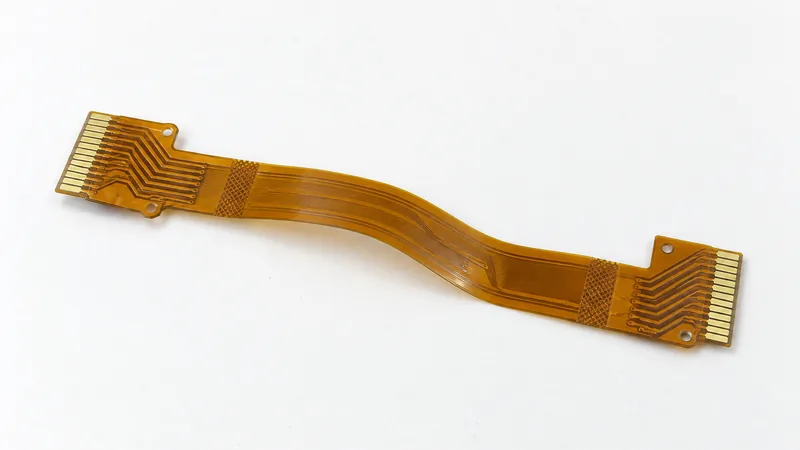
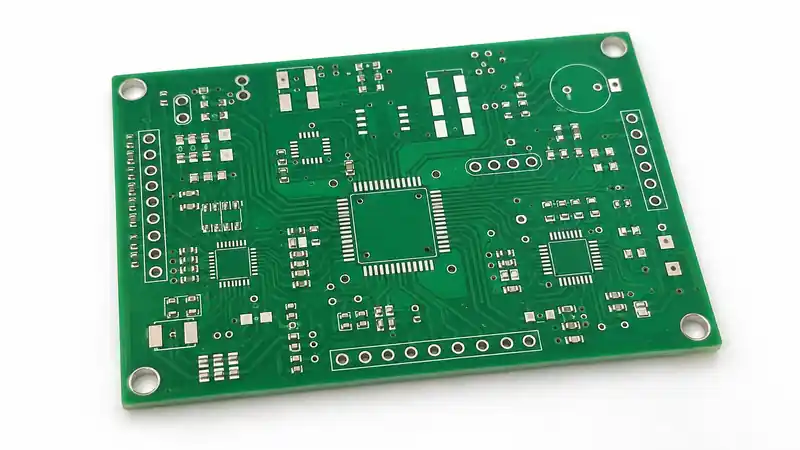

Custom PCB Manufacturing
for Your Unique Requirements
All you need to send the Gerber files and BOM, and our team of 50+ engineers will conduct a free DFM review for you, covering everything from design and materials to stack-up and production.
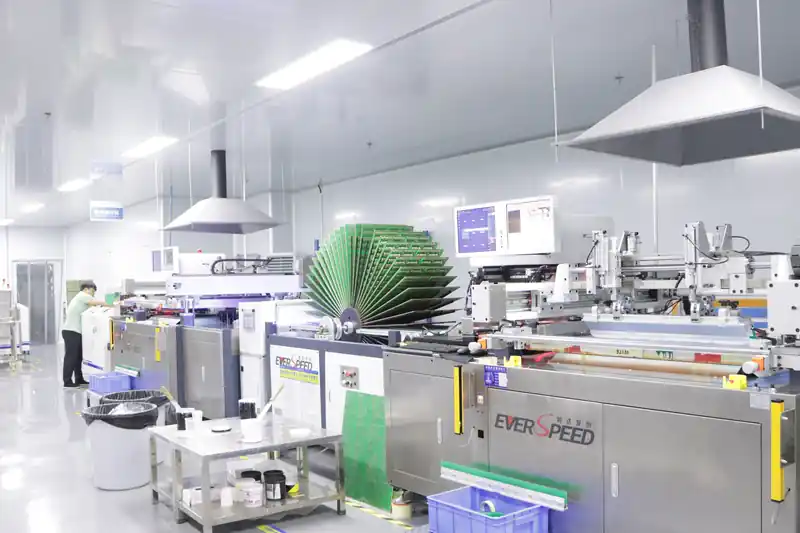
Gerber-Based PCB Manufacturing
Once you submit Gerber, ODB++, or PCB drawings, we review the key parameters before production to catch issues early and reduce rework and manufacturing risk.
Our manufacturing process covers:
- Gerber file review
- Manufacturing capability assessment
- PCB stack-up confirmation
- Process parameter confirmation
- Material selection suggestions
- Prototype to Mass Production
DFM Engineering Review Before PCB Production
PCB defects often originate at the design stage. LZJPCB's engineering team performs DFM/CAM review on every order to eliminate design risks before production and keep your schedule on track.
Common Design Issues
- Insufficient line spacing
- Hole diameter / board thickness mismatch
- Inappropriate stack-up design
- Unrealizable impedance requirements
- Inappropriate material selection
DFM Analysis Covers
- Line / Space manufacturability
- Drill and Via design
- Copper thickness requirements
- Layer stack-up
- Impedance & surface finish

50+
PCB Design Engineers
Free
DFM Review on Every Order
NDA
Available on Request
-
1
Submit Files
Upload Gerber, ODB++, drill files and stack-up drawings
-
2
DFM / CAM Review
Line width, hole size, stack-up, impedance and manufacturability analysis
-
3
EQ / Feedback
Engineering questions issued; customer reviews and confirms or revises
-
4
Customer Approval
Customer confirms changes or accepts original design
-
Production Release
Files locked; order enters production queue
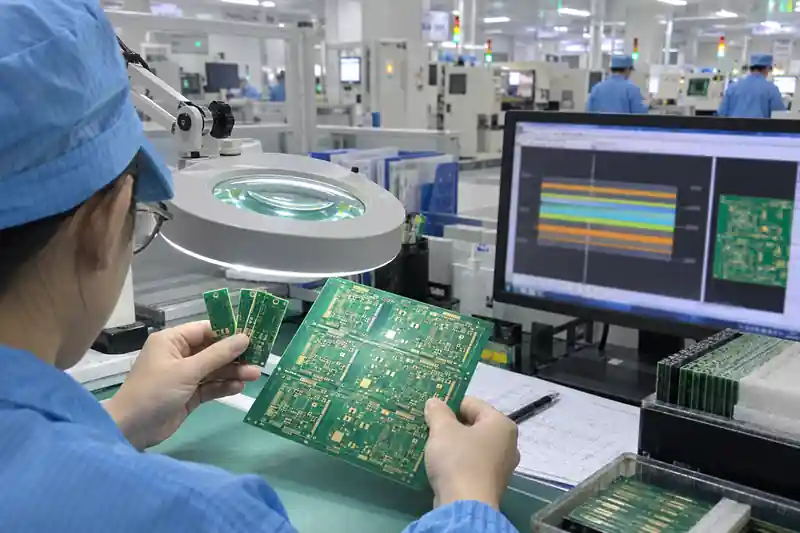
Complex Layer Stack-Up Design
Supports the design of complex PCB layer structures. The engineering team can optimize the Stack-Up scheme based on your signal, power, impedance and space requirements.
Mechanical & Structural Customization
For odd shapes, ultra-thin, heavy copper, edge plating and more, we customize your PCB outline and mechanical structure to fit final assembly and avoid fit issues.
- Special PCB shape processing
- Large-sized PCB
- Ultra-thin PCB
- Thick copper PCB
- Edge Plating
- Gold Fingers
- Castellated Holes
- Special Cutouts & Slots
PCB Manufacturing for
Regulated and Complex Electronics
Certified for automotive, medical, industrial and telecommunications applications with full traceability and documentation support.
 IATF 16949
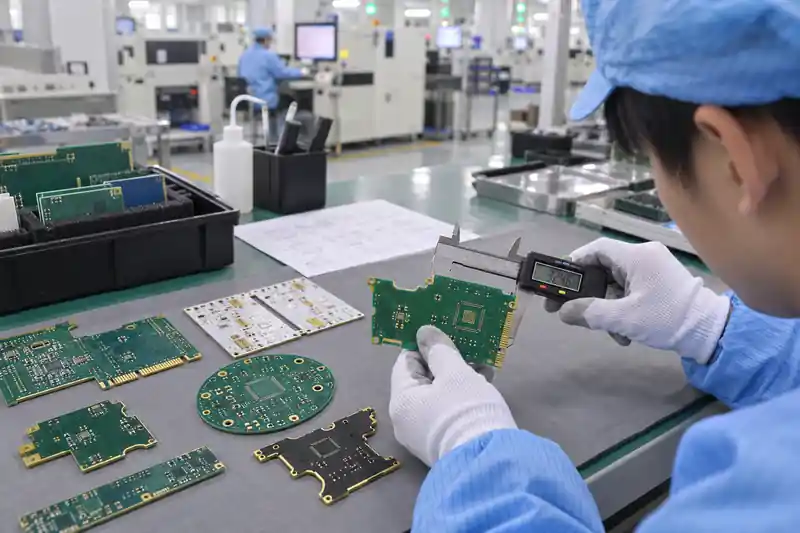
Automotive Electronics
Automotive PCB → ISO 13485
Medical Electronics
Medical PCB → ISO 9001
Industrial Control
Industrial PCB →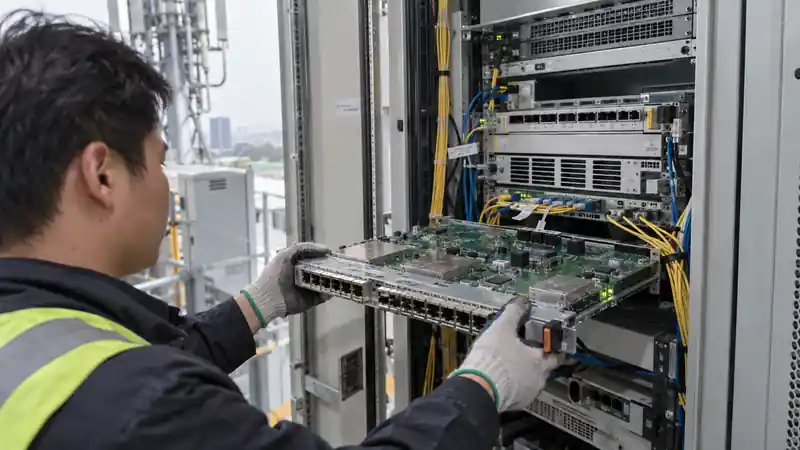
Telecom Equipment
Telecom PCB →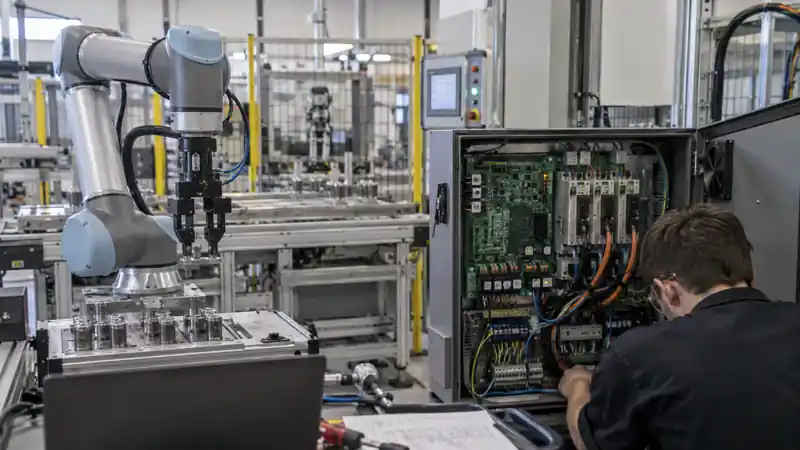
Robot
Robot PCB →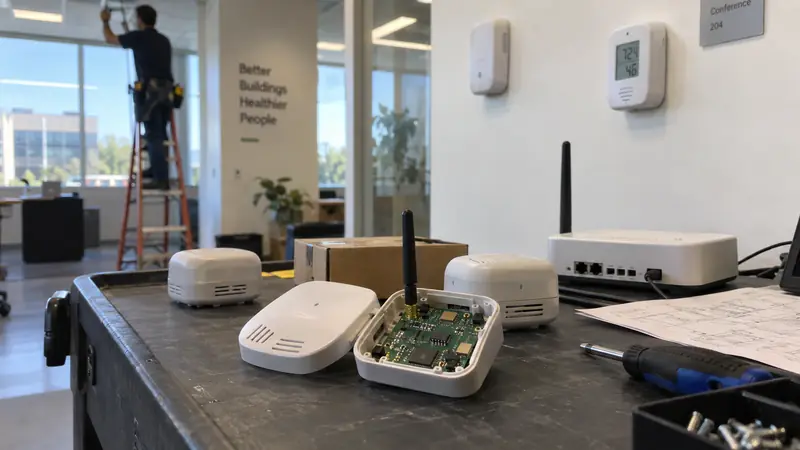
IoT
IoT PCB → Rigid-Flex
Drone
Drone PCB →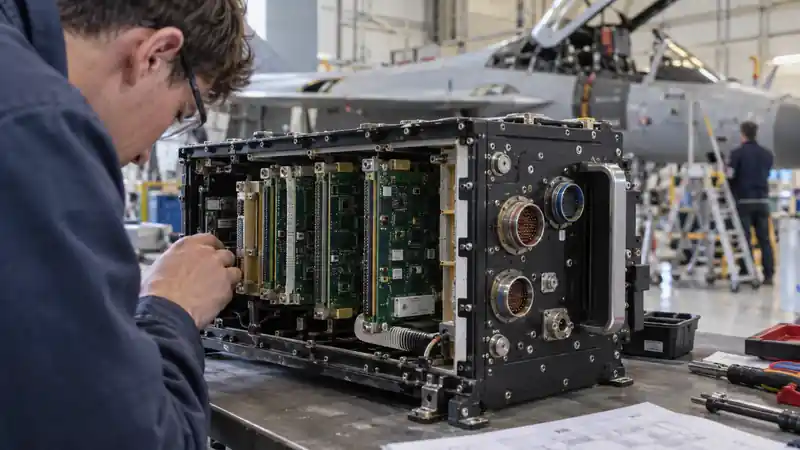 IPC Class 3
Aerospace
Aerospace PCB →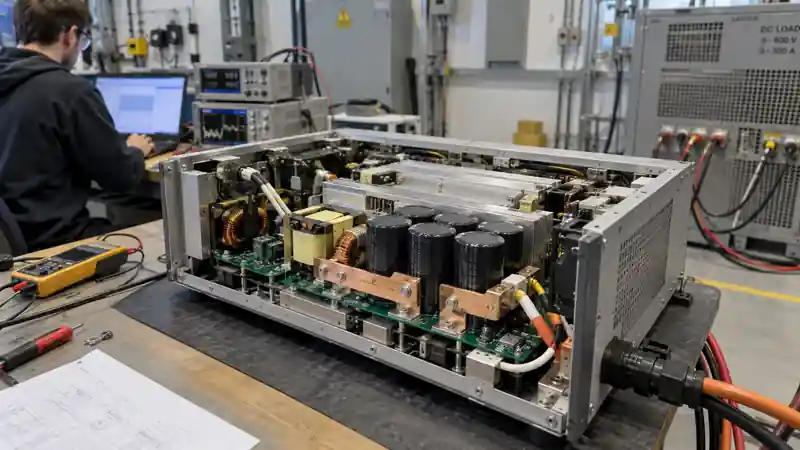 Heavy Copper
Power Supply
Power Supply PCB → High Reliability
Military
Military PCB →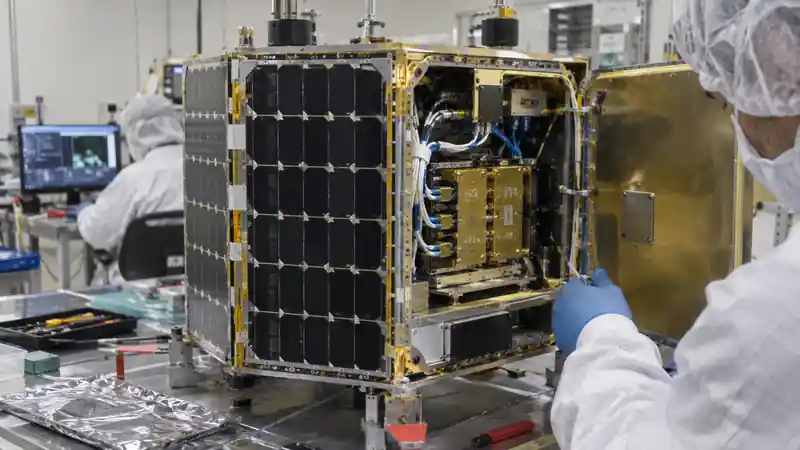 Rogers
Satellite
Satellite PCB →
Smart Home
Smart Home PCB →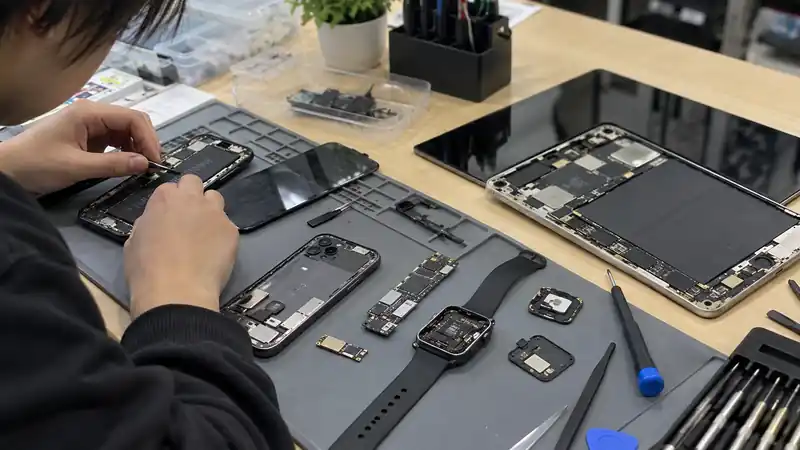 HDI
HDI
Consumer Electronics
Consumer PCB →PCB Quality Control
from Incoming Material to Final Inspection
IQC
Inner AOI
Outer AOI
Dimension / Plating
E-Test
Final Inspection
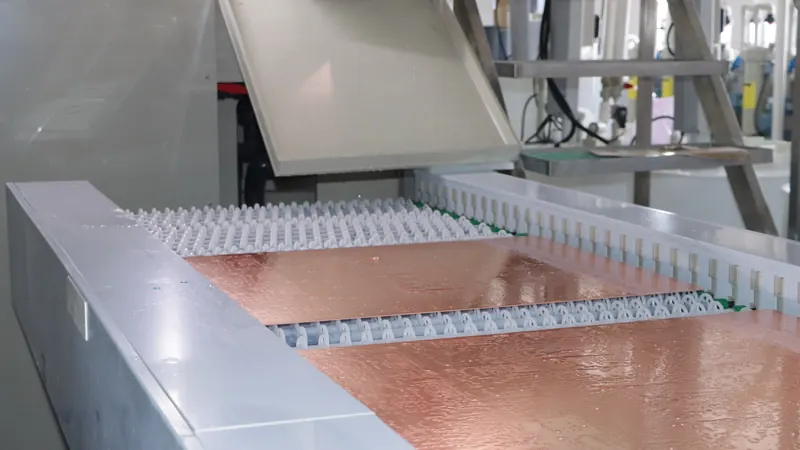
Incoming Material & Pre-Production Review
- Copper-clad laminate IQC (thickness, Tg, Dk)
- Prepreg and core material verification
- Stack-up and material cross-check before lamination
- First-article review and sign-off
- SPC monitoring from first production panel
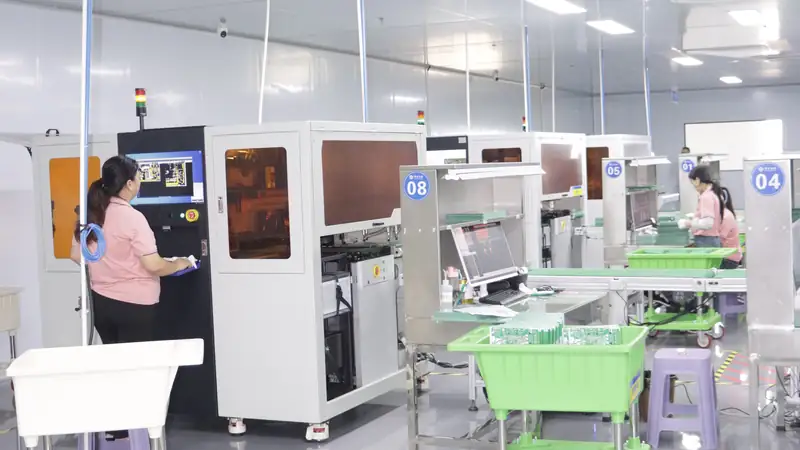
In-Process Inspection
- Inner layer AOI -- 100% optical inspection before lamination
- Outer layer AOI after pattern plating
- Copper thickness and hole wall plating measurement
- Impedance coupon testing per stack-up spec
- Microsection sampling for via quality and plating thickness
- Dimensional inspection: board outline, hole position, slot
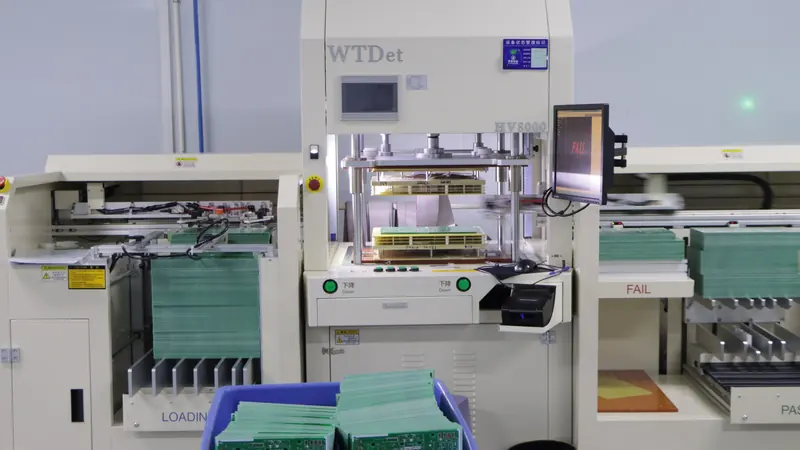
Electrical Test & Final Inspection
- 100% electrical test -- applies to all bare PCBs (flying probe for prototypes; fixture for volume)
- Open/short continuity and isolation testing
- Visual inspection per IPC-A-600 Class 2 / Class 3
- Final dimensional and cosmetic check
- Packaging verification before shipment
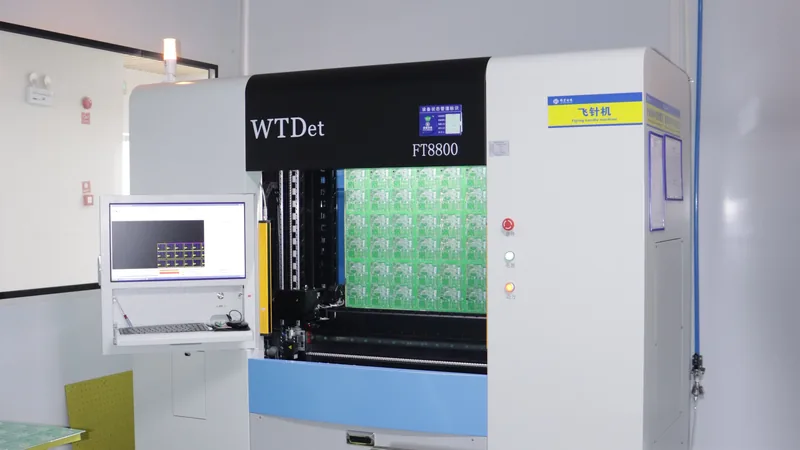
Records, Traceability & Nonconformance Handling
- Lot-level traceability number on every panel
- Inspection records retained per customer and regulatory requirements
- NCR (Non-Conformance Report) issued for any out-of-spec condition
- CAPA process for recurring issues
- Available records: CoC, test reports, microsection photos, IQC records
Quality Certifications
PCB Prototype
to Volume Production
Prototype Builds
Small-Batch Production
High Volume Production
Fast Prototype Builds
Purpose: Design validation, first-article testing, DFM iteration
Inputs: Gerber files, BOM (if applicable), engineering requirements
Quick-Turn Lead Times
- 1-2L Rigid FR4: from 8 hours (conditions apply)
- 4-6L Std FR4: from 12 hours (conditions apply)
- FPC: See Flex PCB page
Small-Batch Production
Purpose: Process stabilization, first production article qualification
Inputs: Locked Gerber files, approved stack-up, confirmed specifications
Lead Time
Confirmed by order scope and product type. Starts after engineering confirmation (EQ). Conditions apply.
High Volume Production
Purpose: Consistent batch delivery against frozen specifications
Inputs: Frozen design version, agreed process parameters
Lead Time
Standard policy applies. Repeat orders benefit from existing tooling and process records. 3-5 days faster than industry average.
PCB Manufacturing
Built on International Standards
Your PCB must meet design, quality, reliability, and environmental standards. We apply these across materials, processes, and inspection to cut production and compliance risks.
Based on Industry-Recognized PCB Manufacturing Requirements
IPC standards define globally recognized production specifications for PCB manufacturing. LZJPCB manages its production processes against IPC manufacturing requirements -- ensuring visual quality, critical process stability, and dimensional tolerance compliance across every batch.
Dedicated service electronics -- standard reliability for industrial, communications, and consumer applications.
- Industrial electronics
- Communications equipment
- Consumer electronics
High-reliability electronics -- continuous performance required, where failure is not an option.
- Automotive electronics
- Medical devices
- Aerospace & military
What IPC Compliance Means in Production

IPC-6012
Rigid PCB
IPC-6013
Flexible PCB
IPC-A-600
Acceptability
Batch yield rate above 98% -- maintained through in-process SPC monitoring, 100% electrical testing (flying probe + fixture), and dual AOI inspection at every production line.

Why Choose LZJPCB as Your
PCB Manufacturing Partner?
From pre-production engineering review to process control and final inspection, LZJPCB supports every key stage of your PCB from prototype to mass production.
Engineering-Led
PCB Manufacturing
Before production, your Gerber/CAM, stackup, materials, dimensions, and key process requirements are jointly confirmed by our engineering and manufacturing teams and built into production control.
This ensures the same requirements are followed from prototype to repeat orders, reducing rework and quality variation caused by missing information or miscommunication, and keeping your project on schedule.
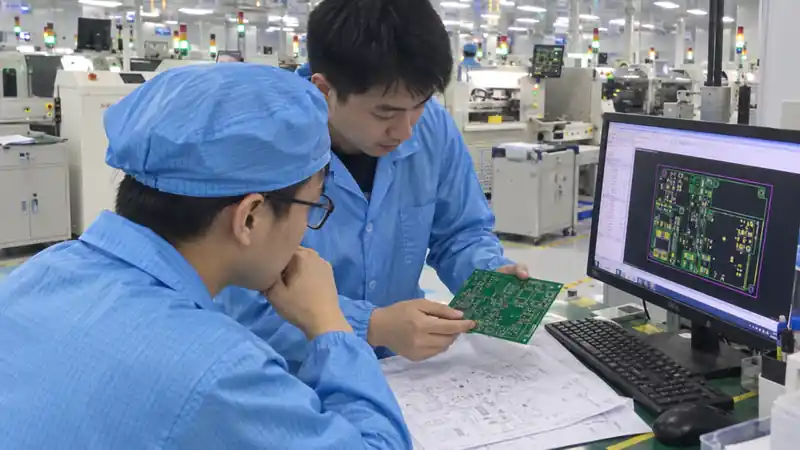
Engineering Review Before Manufacturing
Gerber files, stackup requirements, materials, dimensions and critical manufacturing details are reviewed before production begins to identify potential manufacturability issues early.
Reviewed At This Stage
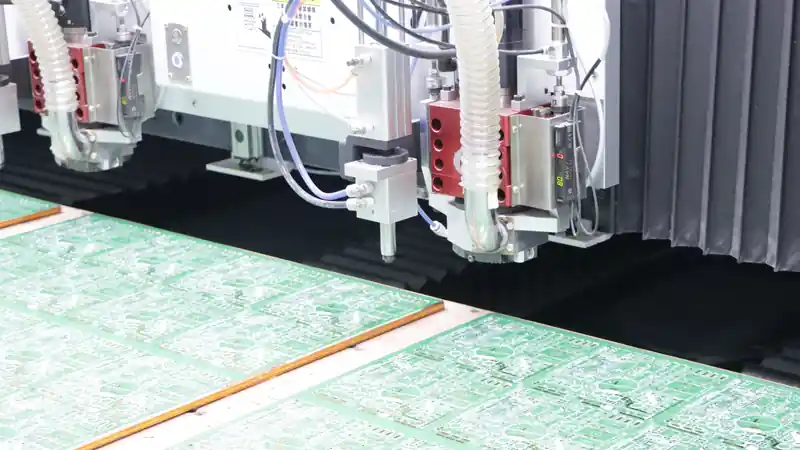
Production Requirements Carried Through the Process
Key manufacturing requirements are transferred into production controls so critical processes can be checked against the specifications defined for the project.
Verified During Production
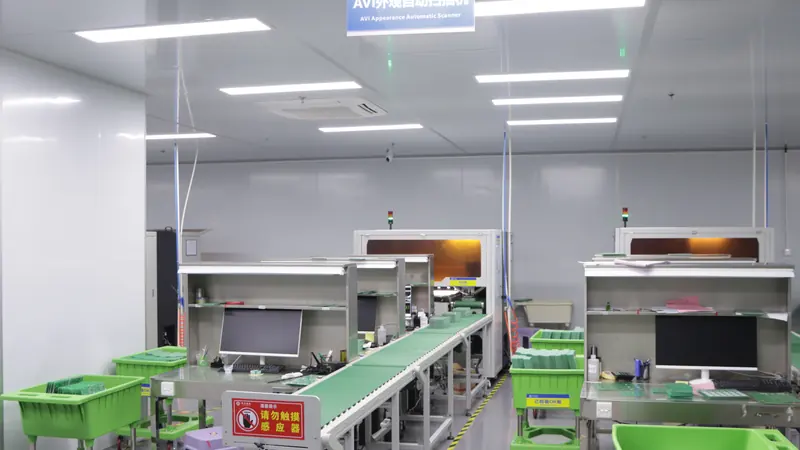
Verification Before Production Release
Finished PCBs are verified against the required manufacturing and quality criteria before they are released for shipment or moved into PCB assembly.
Checked Before Release
From prototype to mass production, we deliver your PCB fast and to spec.
LZJPCB supports your project from sampling to ongoing volume production through engineering review, production control, and risk management.
PCB Manufacturing
Project References
Complex high-layer-count projects demonstrating advanced technical capability -- stack-up, signal integrity, and production qualification.
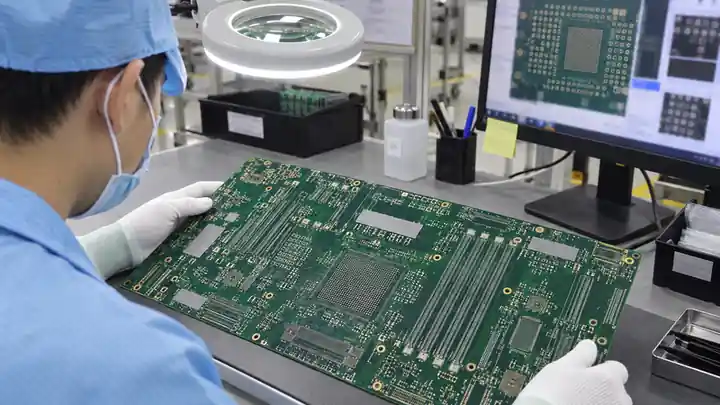
34-Layer Server Motherboard Project
Project Challenge
34-layer high-speed server board with PCIe 5.0 and DDR5 memory interfaces requiring controlled impedance, back-drilling for stub reduction, and tight layer-to-layer registration across a 3.0mm thick construction.
Engineering Action
Full stack-up redesign with hybrid dielectric materials, back-drill depth simulation, impedance coupon design, and SI pre-production validation. DFM review completed in 48 hours.
Result
✓ First-article validated · Passed SI testing · Transferred to volume production
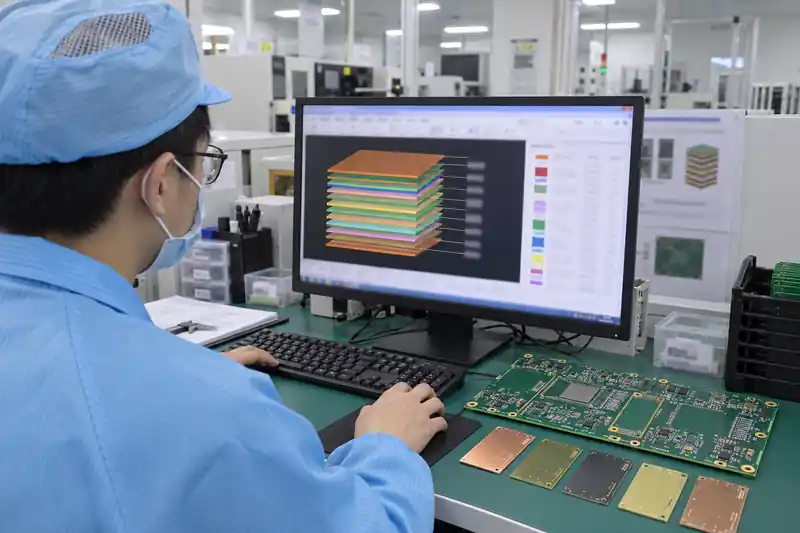
Stack-Up Diagram -- Sample / Redacted
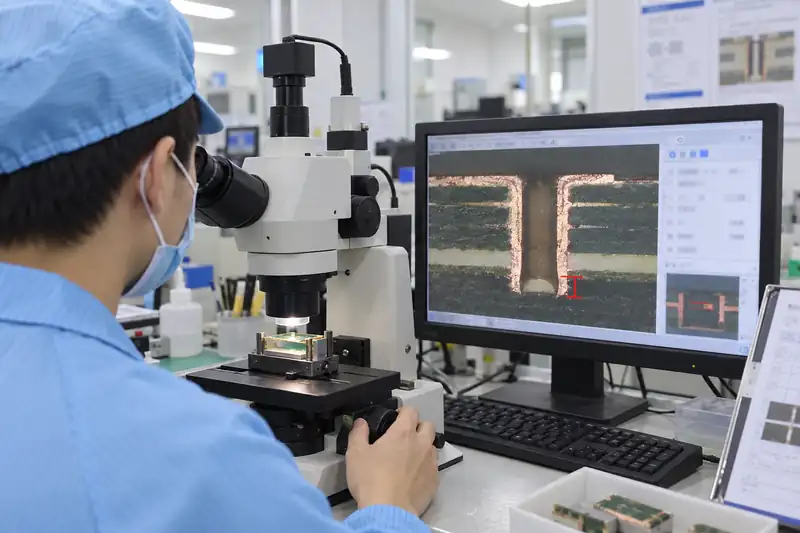
Back-Drill Cross-Section
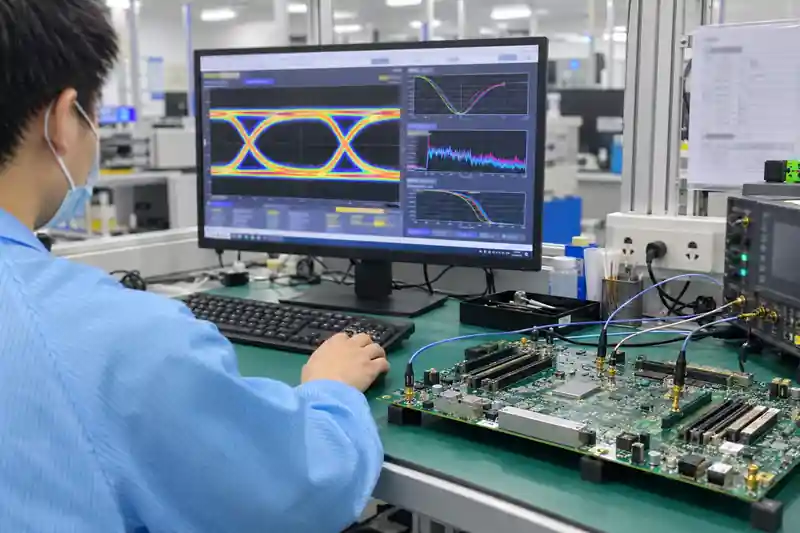
SI Simulation -- Redacted
34-Layer High-Speed Telecom Board Project
Project Challenge
34-layer telecom line card with 2oz outer copper, dense BGA fanout, and mixed high-speed differential pairs requiring tight impedance control and crosstalk management across a 3.0mm board thickness.
Engineering Action
Material selection for controlled Dk at target frequencies, 2oz copper plating process optimization, BGA via-in-pad with copper fill, and impedance coupon validation at ±5% tolerance.
Result
✓ Impedance within ±4.8% · Crosstalk within spec · Production qualified
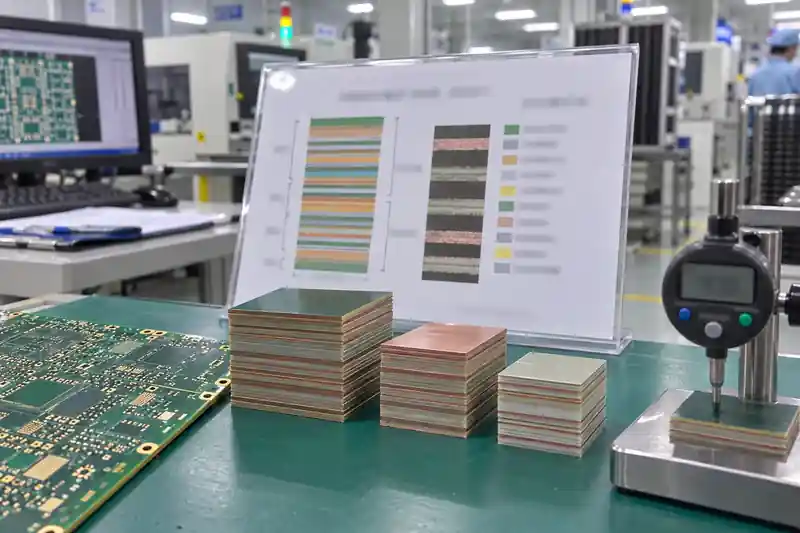
Stack-Up Diagram -- Sample / Redacted
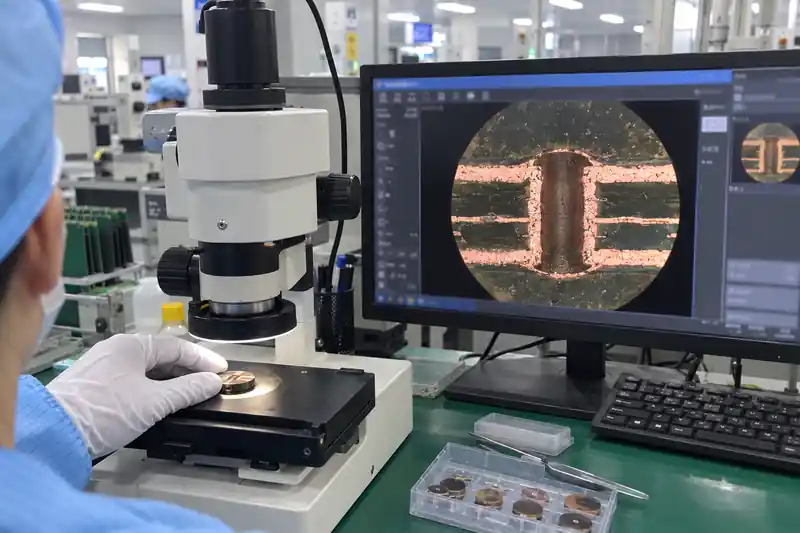
Microsection -- 2oz Cu Layer
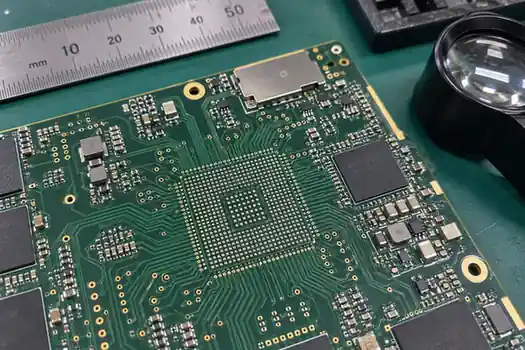
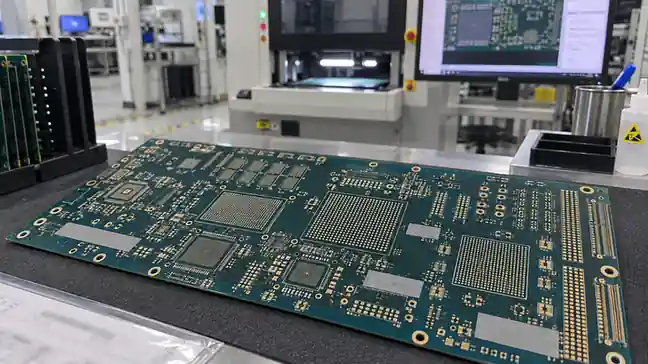
Dense BGA Fanout -- Redacted
PCB Manufacturing
Cost Calculator
Instant estimates for 5 PCB types. For an exact quote email jayden@lzjpcb.com or use the button below.
Our PCB Manufacturing
Process
From Gerber review to final inspection, every PCB follows a controlled manufacturing process to ensure accuracy, consistency, and reliable production.
-
01
Engineering Review
Gerber Review · DFM · Stack-Up
-
02
Inner Layer Imaging
Imaging · Developing · Etching
-
03
Layer Alignment & Lamination
Alignment · Prepreg · Lamination
-
04
Drilling & Via Formation
Mechanical Drill · Laser · Microvias
-
05
Copper Plating
PTH · Copper Plating · Via Filling
-
06
Outer Layer & Solder Mask
Outer Circuit · Solder Mask · Silkscreen
-
07
Surface Finish & Profiling
ENIG · HASL · OSP · Routing · V-Cut
-
08
Testing & Final Inspection
E-Test · AOI · Inspection · Packaging
Advanced PCB Processes
HDI, rigid-flex, high-frequency, heavy copper, back-drilled and special-material PCBs may require additional processes such as sequential lamination, laser microvia drilling, via filling, back drilling or special material treatment. The 8-step flow above represents a typical multilayer PCB production sequence. Our engineering team will confirm the exact process flow for your specific design during DFM review.
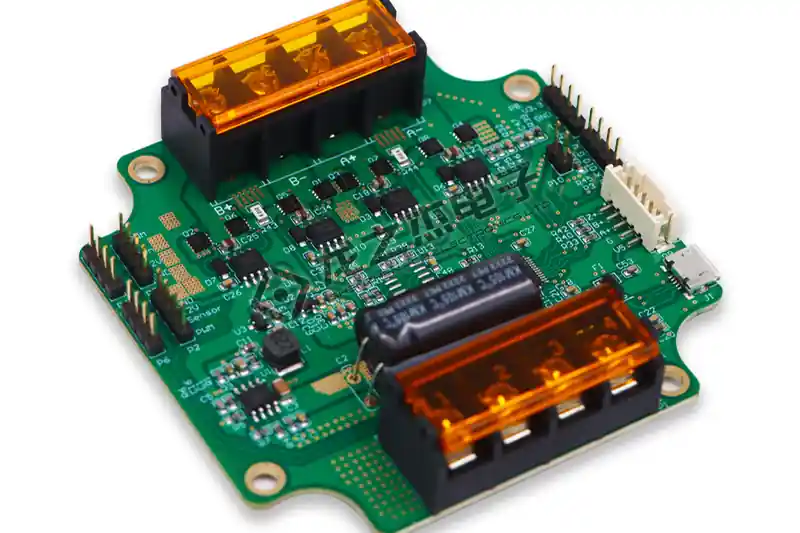
PCB Manufacturing
and Assembly
Need more than bare PCBs?
LZJPCB also provides complete PCB assembly services, including component sourcing, SMT assembly, through-hole assembly, testing, and final PCBA production.
From PCB fabrication to fully assembled circuit boards, we can support your project through one manufacturing partner.
Explore PCB Assembly
Get a PCB
Manufacturing Quote
Scan to add us on WeChat

Open WeChat → Scan QR Code
Send an Inquiry
Fill in the form below and our team will get back to you within 24 hours.
Our PCB Manufacturing
Process
- Mandatory: Gerber RS-274X (or ODB++), drill file, material, layer count, copper weight, surface finish, quantity, and delivery date.
- Recommended: Stack-up drawing, impedance requirements, and any special process notes.
- Optional: IPC class requirement, certification requirement, NDA request.
- Files reviewed under confidentiality. NDA available on request before submission.
- Yes -- up to 40 layers for prototype and special orders. Volume production standard is up to 32 layers.
- 40-layer builds require engineering review, stack-up confirmation, and EQ sign-off before production release.
- Contact our engineering team to discuss your specific layer count and design requirements.
- Standard digital/analog boards (4-32L): Rigid Multilayer PCB -- no engineer review required.
- High-density routing with fine-pitch BGA: HDI PCB -- engineer review required for stack-up.
- Bending or space-constrained products: Flex PCB or Rigid-Flex -- bend radius must be specified.
- Multiple attributes can combine -- e.g., HDI + Rigid-Flex. Use our selection guide above or contact an engineer.
- 1-2L Rigid FR4: from 8 hours -- standard specification, EQ confirmed, order cut-off met.
- 4-6L Std FR4: from 12 hours -- standard specification, no special process, EQ confirmed, cut-off met.
- Lead time starts after engineering confirmation (EQ) -- not from file submission.
- FPC and PCBA lead times are on their respective product pages.
- No minimum quantity for prototype and engineering builds.
- Volume MOQ is confirmed by product type and order scope at quotation stage.
- Repeat orders benefit from existing tooling and process records.
- Stack-up confirmation and dielectric material selection.
- Impedance target validation and coupon design review.
- Via structure check: blind/buried via depth, laser drill feasibility.
- DRC: trace/space, annular ring, hole-to-copper clearance, solder mask, silkscreen.
- Panelization and routing optimization recommendations.
- Free on every order. 1-to-1 engineer assignment.
- 100% electrical test on all bare PCBs -- flying probe for prototypes, fixture-based for volume.
- Inner and outer layer AOI before and after plating.
- Impedance coupon testing per stack-up specification.
- Final visual inspection per IPC-A-600 Class 2 (Class 3 available on request).
- Yes -- full turnkey PCBA including SMT, DIP, BGA soldering, X-Ray, AOI, and functional testing.
- Submit Gerber + BOM to receive finished PCBAs. One-stop service from bare board to assembled and tested.
- See the PCB Assembly page for full details, lead times, and assembly capabilities.