
Low-Volume PCB Assembly Services
LZJPCB builds controlled low-volume and small-batch PCB assemblies through SMT, through-hole and mixed processes. The same accepted files, BOM rules, inspection evidence and test limits connect prototype validation to repeat production.
- No MOQ for samples
- 500+ employees
- 50+ engineers
- PCB + PCBA + BOM
Low-Volume PCB Assembly Capabilities
Low-volume assembly uses the same controlled files, sourcing rules, inspection and test evidence as repeat production. The quotation fixes the build quantity, BOM status, revision and ship date.
| Capability | Low-volume control | RFQ output |
|---|---|---|
| Assembly route | SMT, through-hole or mixed technology | Released process sequence |
| Fine-pitch packages | 01005, 0.35 mm BGA and PoP within accepted data | Assigned inspection plan |
| Sourcing | Full turnkey, partial turnkey or consigned | Line-by-line material owner |
| File review | Gerber/ODB++, BOM, centroid and drawings | Closed DFM and BOM actions |
| Verification | 3D SPI, AOI, assigned X-ray and defined functional test | Named records and acceptance limits |
| Change control | BOM, revision, substitution and rework approval | Repeatable small-batch baseline |
| Traceability | PCB, components, traveler and test results | Lot-linked delivery package |
Prototype to Low-Volume PCB Assembly Production
The transition closes design questions first, then locks the BOM, assembly route, inspection plan, test limits and approved change process for repeated small batches.
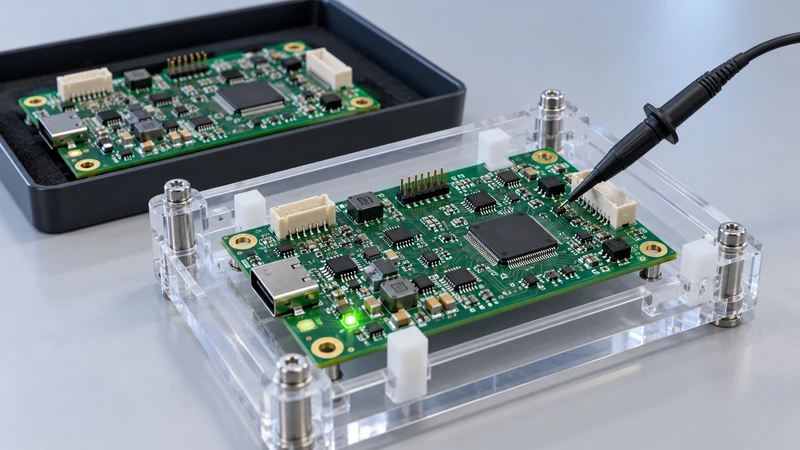
Prototype PCB Assembly for Low-Volume Builds
The prototype stage identifies PCB, BOM, package, polarity, sourcing and test issues before the repeat-build baseline is released.
- DFM and BOM action list
- First-unit inspection and test evidence
- Revision and rework closure
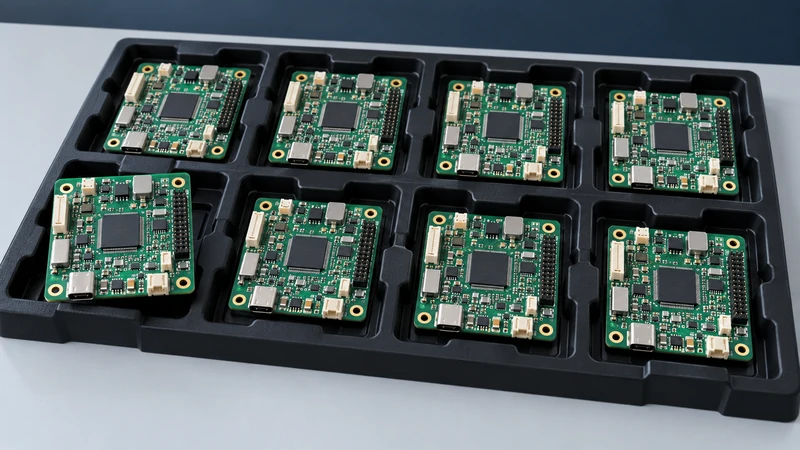
Low-Volume PCB Assembly Production
Repeat low-volume builds use the approved files, sourcing responsibility, assembly program, inspection gates and functional limits. The quotation gives the fixed ship date for each accepted batch.
- Locked BOM and approved alternates
- Controlled work instruction
- Lot traceability and repeat-test plan
Low-Volume PCB Assembly Applications
Low-volume assembly fits projects that need production discipline without a high-volume commitment. These use cases stay focused on project stage rather than unsupported industry claims.
Controlled assemblies for electrical, firmware, interface and mechanical verification before design release.
A documented bridge from prototype issues to a repeatable, released assembly process.
Small batches built from an approved BOM, inspection plan and functional criteria.
Low-quantity product configurations separated by revision, BOM and test requirements.
Low-Volume PCB Assembly Quality Control & Testing
Low-volume risk comes from incomplete files, BOM changes, substitutions, setup, rework and weak test definitions. Each control below closes one of those risks before shipment.
Exact MPN, package, quantity and approved alternate status checked.
Placement, polarity, workmanship and assigned measurements checked before batch release.
3D SPI and AOI provide in-process evidence for accepted SMT work.
Assigned X-ray inspection addresses accepted BGA or QFN packages.
Customer procedure, fixture, limits and results control execution.
Revision, lot, quantity, rework and records reconciled.
BOM substitutions, PCB revisions, programming updates, rework and test changes return to engineering review before the affected build is released.
- Approved-alternate list maintained
- Rework and repeat inspection recorded
- Test version and limits identified
- Lot and shipment records linked
Why Choose Us as Your Low-Volume PCB Assembly Manufacturer
Choose a low-volume partner that can close engineering issues, source controlled parts, preserve revisions and repeat the validated process without converting every batch into a new experiment.
Low-volume value comes from repeating an approved baseline while keeping component, process, inspection and test changes visible between lots.
Low-Volume PCB Assembly Case Studies
A published low-volume case must identify the actual quantity, complexity, sourcing model, inspection, test and closed result. This page does not invent those values.
The approved case connects the build quantity and board complexity to the engineering action, first-unit evidence, repeated process and authorized result.
Quantity, PCB revision, BOM status and sourcing model.
SMT/THT mix, packages, special handling and setup.
First-unit review, inspection, test and traceability records.
Closed issue and customer-authorized production outcome.
Get a Low-Volume PCB Assembly Quote
Send the controlled project files and the exact batch quantity. Engineering returns the accepted revision, sourcing responsibility, inspection and test scope, price and fixed ship date.
A complete low-volume RFQ closes the PCB, BOM, assembly, sourcing and verification decisions before pricing.
- Gerber or ODB++ and fabrication drawing
- BOM with exact manufacturer part numbers
- Centroid or Pick-and-Place and assembly drawing
- Prototype and repeat-batch quantities
- Full, partial or consigned sourcing model
- Test requirements and target schedule
Frequently Asked Questions About Low-Volume PCB Assembly
These answers separate design-validation prototypes from repeat low-volume production and show when the service fits a purchasing stage.
Is Low-Volume PCB Assembly the Same as Prototype PCB Assembly?
No. The stages overlap, but prototype assembly focuses on design and manufacturing validation with active revisions. Low-volume assembly also covers repeated small batches built from a locked BOM, process, inspection plan and test criteria.
When Should You Use Low-Volume PCB Assembly?
Use it for NPI, engineering validation, pilot production, market trials, custom equipment, high-mix products and repeat small orders that require production controls without a high-volume commitment.
Send the PCB files, BOM, centroid, drawings, quantities, sourcing model and test requirements.