Skip to content
A faulty medical PCB can put a patient’s life at risk. One wrong supplier choice can mean failed audits, delayed launches, and costly recalls. You need the right partner.
To choose a medical PCB manufacturer, confirm ISO 13485 certification, proven healthcare experience, full traceability, IPC Class 3 capability, and strong testing like AOI and X-ray. The best partner supports you from prototype to mass production.
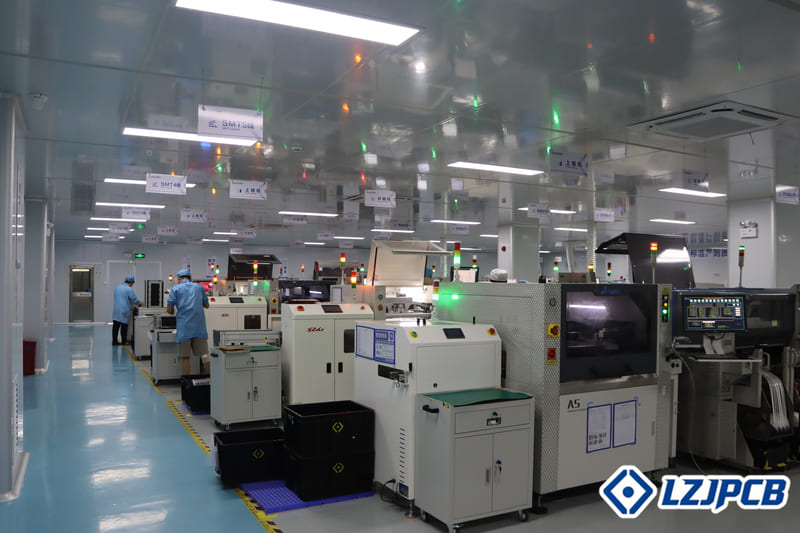
I have managed over 300 PCB projects, and medical work is the most demanding. The rules are strict. The margin for error is zero. Below, I break down what really matters when you pick a partner for your healthcare device.
Why Is ISO 13485 Certification So Important for Medical PCBs?
Many suppliers claim they can build medical boards. But without the right certificate, you take a huge risk. One audit failure can stop your whole project.
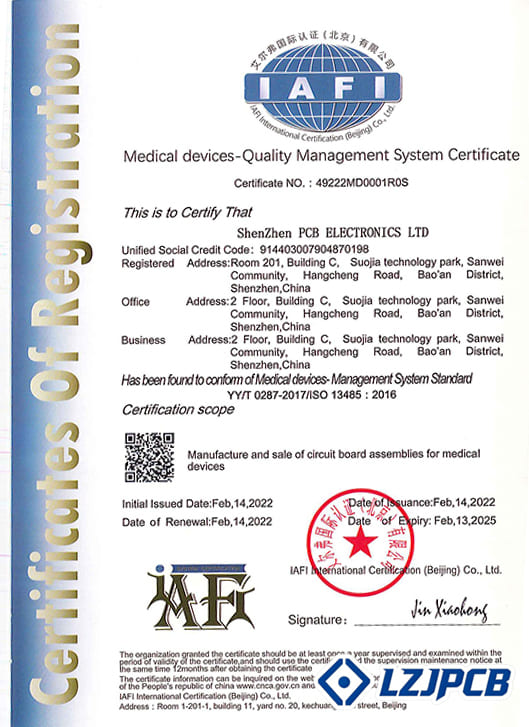
ISO 13485 certification proves a manufacturer follows medical-device quality management processes. It shows they comply with strict regulatory requirements. This is the first thing you should check before you trust any supplier with your healthcare device.
What Does ISO 13485 Actually Cover?
ISO 13485 is not just a paper on the wall. It controls how a factory handles design, materials, and records. At LZJPCB, we earned this certificate because our clients in the medical field demanded it. The standard makes sure every step is tracked and repeatable.
Here is what it means for you:
| Area | What ISO 13485 Requires |
|---|---|
| Quality System | Documented, repeatable medical processes |
| Risk Management | Plans to spot and fix risks early |
| Traceability | Full records of materials and batches |
| Document Control | Locked, version-controlled records |
When I work with Norway clients like Richard, the first question is always about certification. she purchased turnkey PCB assembly service and sells the products to factories around the world. If our boards fail an audit, her business suffers. So I always show our ISO 13485 and IATF16949 records first. This builds trust fast. A certified factory cuts your compliance risk. It also speeds up your own FDA or CE approval. That saves you months of delay.
What Quality and Testing Should a Medical PCB Manufacturer Offer?
Device failure in healthcare can hurt patients. A small defect on one board can cause a big problem. You cannot accept boards that are "good enough."
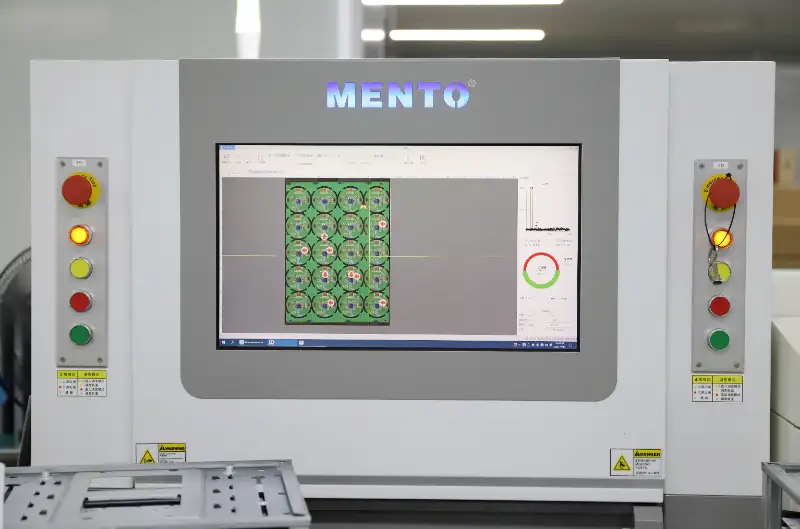
A medical PCB manufacturer must offer full testing. This includes AOI, X-ray inspection, SPI, functional testing, and 100% electrical testing. These checks find hidden defects before the board reaches your device.
Which Tests Matter Most?
In medical work, we aim for IPC-A-610 Class 3. This is the highest reliability class. Class 2 is fine for normal products. But for a patient monitor or MRI control board, you need Class 3. Every solder joint must be near perfect.
Here are the key tests we run at LZJPCB:
| Test | What It Catches |
|---|---|
| AOI | Surface and placement errors |
| X-Ray | Hidden BGA and joint defects |
| SPI | Solder paste problems |
| Electrical Test | Open or short circuits |
| Functional Test | Real-world performance issues |
I once managed a medical ceramic board project. We caught a hidden BGA void with X-ray. If we missed it, the device would fail later in the field. That early catch saved my client a recall. This is why I push for 100% electrical test plus dual AOI inspection. Do not pick a supplier that skips these steps. Cheap testing leads to expensive failures. For medical devices, full inspection is not optional. It protects your patients and your brand.
Why Does Traceability and Advanced Technology Matter?
Modern medical devices keep getting smaller. They need flex boards and tight tolerances, also need full records for every part. If you cannot trace a problem, you cannot fix it.
Full traceability tracks every material, component, and batch. This is critical for recalls and audits. Advanced tech like HDI, rigid-flex, and FPC lets you build small, reliable devices for wearables and diagnostics.
How Do Traceability and Tech Work Together?
Traceability means I can find any board’s history. I know the material lot, the component reel, and the test results. If a regulator asks, I have the answer in minutes. This is required for medical compliance. It also makes recalls fast and targeted, not full and costly.
Advanced technology supports new device designs. Here is what modern medical projects need:
| Technology | Medical Use |
|---|---|
| HDI | Compact diagnostic devices |
| Rigid-Flex | Wearables and small monitors |
| FPC | Eye massagers, controllers |
| Fine BGA | High-density processing boards |
At LZJPCB, we built a medical device controller FPC and a Class 100K cleanroom FPC line. These let us serve compact medical electronics. Our DFM team also checks your design before production. My DFM reviews save clients about $3,200 in rework per project. This early check finds reliability issues fast. It also speeds up your approval timeline. When one supplier handles fabrication, assembly, DFM, and testing, you reduce handoff risk. Fewer handoffs mean fewer mistakes. That is why turnkey service matters so much for medical projects. The best partner stays with you from prototype to full production. The process never changes. The quality stays stable.
Conclusion
Pick a medical PCB partner with ISO 13485, full testing, traceability, and turnkey support. LZJPCB offers all of this for safe, reliable healthcare devices.